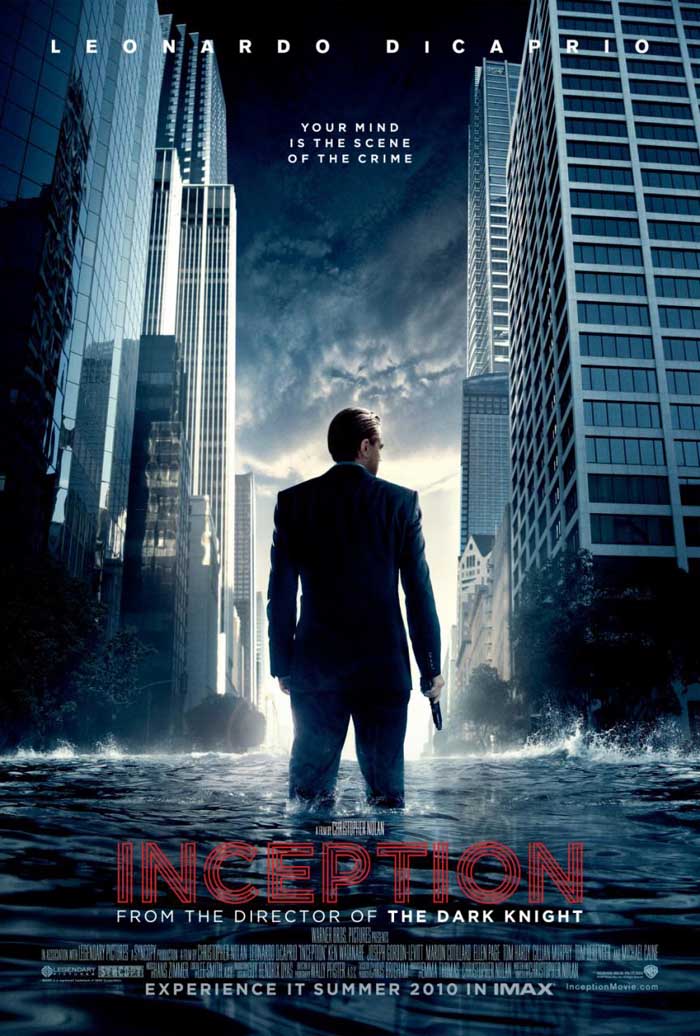
Still gotta think about this one.
Monday, September 26, 2011
Tuesday, July 26, 2011
Disturbed and f'ed up.
I have neglected this blog heinously, which is truly shameful because I have way too much to say about way too many movies. I really need to figure out a writing schedule.
For now, I list the top ten most emotionally scarring movies I have ever seen. IE, these are the movies that left me wondering whether or not I should have watched them, movies that altered the way I view the world, movies that I've probably seen only once but still think about. Movies that actually BOTHERED me-- and for someone who watches pretty much every movie that comes along, that's saying alot.
The absolute number one spot goes to Mysterious Skin, a movie I was aware was going to be dark, but good God. Whenever I enter into the eternal (usually internal) debate about artistic responsibility. Generally I feel that if it exists, we should be able to make a movie about it. However... that doesn't mean that what we put out into the world isn't dangerous, and isn't there a line between illustrating/educating/enlightening and terrorizing? I'm not sure where that line is when it comes to DRAMA (as opposed to horror/gorefests, which one can easily gauge where the filmmakers went off the tracks into exploitation land) and the human experience. I DO know that I was profoundly, PROFOUNDLY disturbed by Mysterious Skin, the exploration of the lives of two young men who had been molested/raped at a very young age and the affect of that attack on their lives. Each responded differently, one blotting it out and replacing it with fantasy, his fear mixed with awe and a quest to find out what really happened, the other fully remembering every last detail and blurring evil with love. Their lives are fucked up. We get to see how, in fact, fucked up their lives are. There's not much hope, really, but I suppose in the end the truth is finally spoken and that is a positive thing.

Interestingly, this movie was made by a famously homosexual director, and he explores a character that the homosexual community does not seem to be fond of (the gay kid/flagrant hustler who was molested by a dude). From what I understand the gay community doesn't dig allegations that one is turned gay due to trauma (prompting one to question if the abused are really homosexual or not, or in their case is it a choice? sidetrack...), but this director doesn't really care about or focus so much on the hustler's sexual preference so much as his damaged sexuality and persona in general. He is brave to show the ugly side of homosexuality as well as humanity.
The scenes in here were apparently carefully shot, and though the scenes involving the child actors do not *show anything* they are absolutely mortifying. Mortifying. Even more mortifying is the idea that THIS HAPPENS ALL OF THE FUCKING TIME. This film is brilliant in its illustration of the domino effect of pedophilia not just in the lives of the victims but the community of victims as well. The victimized tend to love their abuser, seek to imitate them in some way, and, as we all know, a high percent of molesters were once molested. The cycle just goes on and on and on.

Another thing I really appreciate about this film is that there is no attempt to make the lead character (JGL in a FEARLESS performance. cheesy to say but utterly true) terribly sympathetic, other than the insight that we are given into his abuse. He is hurtful to everyone around him, he is prickly and exhausting to watch, and as we finally find out he has continued the cycle of distorted sexuality and abuse from the age of eight.
I think about this movie alot. Not just the absolutely dreadful abuse scenes, but the general tragedy contained within. It hurts me to think about, and it brings me back to thoughts I've had in the past about becoming, much much later in life, a psychiatrist/psychologist/counselor for those struggling with pedophilia/those rehabilitating. Of course it is probably the most difficult, taboo subject, and not one that I can fully wrap my mind around, but it is something that deeply troubles me. Watching films like this, Little Children, and The Woodsman makes me wonder if such things should really be floating around, perhaps into the wrong hands, like people twisted enough to see these films as confirmation that pedophilia is not so inhuman, or people who are rendered completely helpless by them. They cannot think or discuss what they have seen, they can only be horrified. That is not good, either, and I do believe that sometimes a film that could enlighten is sometimes even worse than observing trauma or a victim firsthand-- it is less tangible, it is only in front of you but not with you, and yet you cannot get rid of it. That is very bad for some people. Probably for most normal people.
But for me-- not to say that I'm this extra-special exception or whathaveyou that just UNDERSTANDS these things, I still feel sick and helpless and dirty when I see them, however-- I think I can filter it. I think I can do something with it, rather than putting it in a too-small box ready to spill into my nightmares later.
Also, sidenote, the fact that JGL got almost ZERO recognition for this role is INSANE. IN. EFFING. SANE.
For now, I list the top ten most emotionally scarring movies I have ever seen. IE, these are the movies that left me wondering whether or not I should have watched them, movies that altered the way I view the world, movies that I've probably seen only once but still think about. Movies that actually BOTHERED me-- and for someone who watches pretty much every movie that comes along, that's saying alot.
The absolute number one spot goes to Mysterious Skin, a movie I was aware was going to be dark, but good God. Whenever I enter into the eternal (usually internal) debate about artistic responsibility. Generally I feel that if it exists, we should be able to make a movie about it. However... that doesn't mean that what we put out into the world isn't dangerous, and isn't there a line between illustrating/educating/enlightening and terrorizing? I'm not sure where that line is when it comes to DRAMA (as opposed to horror/gorefests, which one can easily gauge where the filmmakers went off the tracks into exploitation land) and the human experience. I DO know that I was profoundly, PROFOUNDLY disturbed by Mysterious Skin, the exploration of the lives of two young men who had been molested/raped at a very young age and the affect of that attack on their lives. Each responded differently, one blotting it out and replacing it with fantasy, his fear mixed with awe and a quest to find out what really happened, the other fully remembering every last detail and blurring evil with love. Their lives are fucked up. We get to see how, in fact, fucked up their lives are. There's not much hope, really, but I suppose in the end the truth is finally spoken and that is a positive thing.
Interestingly, this movie was made by a famously homosexual director, and he explores a character that the homosexual community does not seem to be fond of (the gay kid/flagrant hustler who was molested by a dude). From what I understand the gay community doesn't dig allegations that one is turned gay due to trauma (prompting one to question if the abused are really homosexual or not, or in their case is it a choice? sidetrack...), but this director doesn't really care about or focus so much on the hustler's sexual preference so much as his damaged sexuality and persona in general. He is brave to show the ugly side of homosexuality as well as humanity.
The scenes in here were apparently carefully shot, and though the scenes involving the child actors do not *show anything* they are absolutely mortifying. Mortifying. Even more mortifying is the idea that THIS HAPPENS ALL OF THE FUCKING TIME. This film is brilliant in its illustration of the domino effect of pedophilia not just in the lives of the victims but the community of victims as well. The victimized tend to love their abuser, seek to imitate them in some way, and, as we all know, a high percent of molesters were once molested. The cycle just goes on and on and on.
Another thing I really appreciate about this film is that there is no attempt to make the lead character (JGL in a FEARLESS performance. cheesy to say but utterly true) terribly sympathetic, other than the insight that we are given into his abuse. He is hurtful to everyone around him, he is prickly and exhausting to watch, and as we finally find out he has continued the cycle of distorted sexuality and abuse from the age of eight.
I think about this movie alot. Not just the absolutely dreadful abuse scenes, but the general tragedy contained within. It hurts me to think about, and it brings me back to thoughts I've had in the past about becoming, much much later in life, a psychiatrist/psychologist/counselor for those struggling with pedophilia/those rehabilitating. Of course it is probably the most difficult, taboo subject, and not one that I can fully wrap my mind around, but it is something that deeply troubles me. Watching films like this, Little Children, and The Woodsman makes me wonder if such things should really be floating around, perhaps into the wrong hands, like people twisted enough to see these films as confirmation that pedophilia is not so inhuman, or people who are rendered completely helpless by them. They cannot think or discuss what they have seen, they can only be horrified. That is not good, either, and I do believe that sometimes a film that could enlighten is sometimes even worse than observing trauma or a victim firsthand-- it is less tangible, it is only in front of you but not with you, and yet you cannot get rid of it. That is very bad for some people. Probably for most normal people.
But for me-- not to say that I'm this extra-special exception or whathaveyou that just UNDERSTANDS these things, I still feel sick and helpless and dirty when I see them, however-- I think I can filter it. I think I can do something with it, rather than putting it in a too-small box ready to spill into my nightmares later.
Also, sidenote, the fact that JGL got almost ZERO recognition for this role is INSANE. IN. EFFING. SANE.
Saturday, January 22, 2011
Best of 2011 (that I've seen, revised)
Taking into account that I have not yet seen the following: Somewhere, Blue Valentine, The Rabbit Hole, Winter's Bone, or that one movie about the old British couples, this is what I think happened to be the best of 2011-- not a particularly great year for movies, though it did pick up there towards the end, mostly due to some fine writing (but do the screenwriters get noticed? still no! Sorkin is only a mild exception).
1. The Social Network
The brilliance of this movie begins to dawn on you the viewer somewhere around the middle, however the first five minutes are the best, most vicious part. Sorkin, one of the almost-household-names in screenwriting, writes a two-person dialogue that just lays into the characters and sets the tone for the movie. David Fincher (Fight Club) has pulled all together with such PRECISION, making scenes in which characters argue and type(for crying out loud) as exciting as cops and robbers. The atmosphere is also very suitable, the film looks fantastic and dark and cold, much like the cyber world seems. The dialogue is some of the best that I've ever heard (so. sharp.), Sorkin really is an amazing writer that I think all of us screenwriters should pay close attention to. Furthermore, Jesse Eisenberg is absolutely phenomenal, he NAILS this role in one of my favorite performances of the year. All that is very well and good, but the really interesting thing about this movie is the perspective that snuck up on me. At first I expected it to be pretty stupid (the facebook movie? what?), then I anticipatd a droll almost-courtroom drama about a startup business, as its structure suggests. And of course the film does follow the timeline of the facebook evolution, but that is not what it's about. It's not about facebook-- it's about WHY facebook is facebook. Why it is significant, and what it says about us. Sorkin and Fincher merely use Zuckerberg to illustrate their point, just like Orson Welles used Hearst. Zuckerberg wants to use facebook to be somebody, but everything that it brings him pushes further away from The Genuine. The irony of a friend request-- the very emptiness and lack of significance of a facebook page is its own significance. I read somewhere that this movie defines our times and I scoffed a little bit, but the more I think about it, the less off-base that summation seems.
2. True Grit
Social Network might be the best film this year, but True Grit was my favorite.
3. The King's Speech
It's odd to say, but this movie was even better than I had expected it to be. It was much less straight-forward than I had anticipated, and very funny. Colin Firth is really a fine actor, and I found him very moving. I enjoyed the fact that this film paraded the tightly-wound, image-obsessed and repressed daily function of British Royalty (and my perception of the Brits in general), making their propriety a bit amusing (especially when contrasted with Geoffrey Rush as the free-wheeling Australian therapist), but never mocking them. George and his wife are as real and sweet as the common people are, as evidenced in the PRECIOUS scene in which George tells his two little girls a bedtime story about a penguin. I love films that explore relationships, and ultimately that is what this film was. In screenwriting we were repeatedly told to ask the WHY, and it seems as though that question must have been asked a million times during the construction of this piece. Every bit of it is so satisfying. And moving.
I especially liked the scene in which the king goes to visit Geoffrey Rush after George's father has died, and Rush urges him to sing-song when he has trouble saying something. It's a long scene (bliss!) as the king finally talks revealingly about himself and his life, resisting Rush's insistence that he sing, and trying not to take shame in own anguish. A really beautiful scene.
4. Greenberg
I will write more about this movie, but I think what makes me love this movie so much is that it has balls. It has the balls to make its main character (and many other characters) unlikable. Greenberg is a sod, no bones about it, and once you accept that about him, you begin to see the complexity of a human being, and what it's like to feel empty and lost.
The thing about Greenberg is that he's got nothing due to the fact that he's an ass. He's brought everything bad upon himself. What so many people can't seem to understand about this film is that THAT describes everyone. We bring our own pain upon ourselves, usually. But that doesn't make us non-humans or undeserving of love or at least hope.
5. Inception
I've nit-picked about this one already, so I will just say again that I did not feel that it met its potential. However I did spend the entire theatre experience shaking my head and marveling at how amazing the spectacle was. Visually it is incredibly beautiful, and the complexity of the world that the Nolans created is insane. The story is not what it could be, however it does play out like a mystery meets a heist film, and I know I was on edge at every turn. DiCaprio, Gordon-Levitt, Ellen Page and Cillian Murphy are some of my most favorite actors working right now, and they all did an impressive job with what they were given. Above all, I loved the much-discussed final moments-- Cobb's top falters a bit as it spins, but the important thing is that Cobb has walked away. The message of the film is really important, and I was impressed at Nolan's ability to prompt his audience to consider the ethical choices of his characters. Again (see: The Prestige, Memento). I definitely think he is masterful, and this film will be added to the canon of great American Blockbusters. Somehow I doubt it will ever touch The Matrix, however.
6. Catfish
This is a strange movie that has stuck with me. I think about it quite a bit, and was both horrified and saddened while watching it. The trailers play it up as a thriller-- it's not. But it IS a fascinating character study. If this were a scripted drama, everything within it would be explained away, played up to great effect, but here it can't be. There are moments that feel inauthentic (on the side of the boys), as if the boys are doing all that they can to milk the situation, and the lead fellow (whatever his name is) gets on one's nerves. However I liked that he was constantly in view-- his frequent, painful smiles, like the tics of many people I know, have prompted many a viewer to suspect that he was pulling the strings more than he reveals in the film, but I don't really think so. His smiling throughout awkward and difficult moments seemed to me more of a tic, a guarded thing, a defense mechanism that I think many guys have. By the end of the movie it becomes a familiar sight. Anyway, I do suspect that perhaps the beginning of the film was shot after the second half of it and therefore is more of a re-enactment of the goings-on, but I do not doubt the validity of the film. The personality revealed at the end is very sad, and I can see why some critics call "exploitation!" but... I disagree. It is far more of a commentary (perhaps an accidental one) about loneliness and how vast it can be, and how our present culture may only serve to further it in its attempts to make our pain less severe.Irritating at times, but hits all the right notes.
7. Black Swan
An exploration of identity and passion, Black Swan is very artfully done and kept me involved throughout. All in all, it was one movie this year that turned out to be almost exactly what I expected it to be, an elegant exploration of madness.
8. Kick Ass
On the other end of the spectrum, Kick-Ass was completely surprising to me. I went in expecting a violent action flick and got instead something very convicting and conflicting. On the one hand, it is an action-comedy flick with highly stylized sequences and amusing dialogue and weird characters. The fight scenes are pumped with pounding music and amazing choreography, and are often fun to watch. On the OTHER HAND... the movie turns on you and itself, inquiring exactly why one should find violence to be such fun. Watching a teenager and a little girl engage in hardcore to-the-death fighting (not versus each other) is jarring. The little girl's existence in this world is unsettling, and once the baddies have the gall to actually fight back, the sight before you is just plain wrong. The film is a representation of its main character-- a boy who thinks the whole hero thing is cool and all, but who continues to fight because violence is sometimes the only way to combat violence against the helpless (which he very eloquently says in one scene). The film is a celebration of action, but only because sometimes the only way to combat a serious issue is to display it. I'm not sure if that makes it right, but it's a very interesting idea. Anyway, aside from all of that, this film has some crazy odd-ball flair and snappy dialogue that I enjoyed very much, not to mention some really fine performances by the lead and Chloe Moretz, as the young super heros, and Nic Cage doing what he does best: weirdness. This is a movie that I found entirely unpredictable (rare!) yet left me feeling very satisfied by the end credits. Pity it was released so early in the year, no one seems to remember it now.
9. Toy Story 3
The thing about TS3 that makes it so great is exactly what makes Casablanca so great. Although each is a fine film and completely worthy of admiration, it is what the public has projected onto these movies that give them an almost mythic status. Casablanca was an American response to a world gone mad- a tough-guy, dialogue-rich, romantic-heroic themed story involving self-sacrifice set during our most trying time. We ate it up. TS3 is the American Generation Y (I think that's us) response to growing up. Everyone my age has grown up watching the Toy Story films and identifying with Andy, mainly because we all owned toys and so did he (it doesn't take much when you're a kid). I myself have a very strong connection to the original Toy Story, I very vividly remember going to see it in theatres about 3 days before we moved out of state (from California back to Texas). I was already weird about my toys, so you can imagine how upsetting that movie was (I obsessively tried to arrange my toys so that each might have a moving buddy), and that I identified with Andy all the more. And now I'm grown-up. And so is Andy. And the Toy Story toys become like the Toy Story movies-- a symbol of a childhood that is slowly fading away. When Andy finally relinquishes his toys, especially that last, decided--mutual-- look he gives Woody, I collapsed into a pile of tears because I saw myself saying goodbye, too. I might have felt that way without the previous two films, but the interweaving of Buzz and Woody throughout my life created a huge emotional response in me, and I think in most of us. If it wasn't young people my age, then it was our parents who held back tears just as Andy's mom does as she surveys his empty room. We just grow up so fast.
I also liked the prison-movie theme they had going on here, and the addition of Michael Keaton's Ken was hilarious. The Pixar writers are so in-tune with every day life, so observational. I suppose that's what I've always liked about them.
10. The Ghost Writer
Roman Polanski may be a tortured soul, but he sure can create an atmosphere. I think he's Hitchcockian in that way, actually. He builds more than suspense-- it's more like the sense of utter doom that can be found in his finest films, like this one, Chinatown, and Rosemary's Baby. Things happen, but the FEAR of things happening is much more unsettling than any action that really occurs. In fact, the most shocking actions are even downplayed, adding to the viewer's discombobulation. I love this subtlety that Polanski has. I also thought this was a nice, tidy thriller story. I suspected the reveal at the end, however I had forgotten my suspicions by the time it occured. The story rewards the viewer with a second viewing, however unlike other political thrillers it is not hard to follow nor is it dull or unrelated to character (IE the political intrigue directly affects everyone). Ewan McGreggor is very likable here, and does the talking-to-himself thing pretty well. It's hard to be the regular-guy that is forced to be a detective (and in this case, the rather complacent writer who can't even write for himself-- oooh character commentary-- being prompted to unravel a dangerous truth), one has to act as though they are understanding, and I reckon that's difficult. However, Pierce Brosnan and Olivia whats-her-face are phenomenal as the utterly sharp-edged former prime minister and wife. You never know what either of them are up to, and each have moments of sympathy and villainy. Also, I think I just like seeing Brosnan as a sketchy man. He's had an interesting career post-Bond, which is nice to see, and I think he's generally a good and very underrated actor (Mama Mia, which he nearly ruined with his god-awful singing, aside).
The best part of the film? The last five seconds. Best reveal of any film in recent memory, and the final cap on the very sense of growing doom which, for a moment, we thought we had escaped. "This is how the world ends..."
11. The Fighter
The only reason why I elevate this above The Town is because of the female performances. Christian Bale is, as everyone agrees, so engrossing as the smack-addict brother who is trying to live vicariously though his fighter brother, but I thought Melissa Lao as the matriarch and Amy Adams as the refreshing yet at times equally controlling, ballsy girlfriend of the fighter were incredibly impressive. The film is told with a nice style that allows its viewer to be a part of the community and the fighter's family, which really makes the film work, because in the end Mickey the fighter is really fighting for his identity and himself against all of the people in this community that he happens to love but who project their dreams upon him. The finale is thankfully pleasant and cathartic-- everyone finally throws their support behind Mickey-- not themselves, but Mickey-- and he does not need to carry them all on his shoulders. I especially liked the believable presentation of family dynamics, and Amy Adams as the girlfriend who sticks up for her man when she notices he's overrun by his family. She sees his need and fills it for him, however she begins to see that her role is valuable and she begins to abuse it almost as Mickey's family did, until she is confronted with the ultimate abuser-- Mickey's brother, reminding her that really love should not be selfish in nature.
My favorite scene of the film was when Dicky, the heroin-addict loser brother, is retrieved from his smack-den by his bossy "bawston" ma. Dicky has obviously been her pride for most of his life, but seeing him ravaged by the damage he has done to himself crushes her. They sit in the car while she fights tears until Dicky starts singing a song they both seem to have a history with. Finally, she starts to sing along until she feels she can drive the car away. Such is the dilemma of a family member.
12. The Town
Ben Affleck can direct. I didn't think this movie was rich in substance, though it's not empty-headed by any means, however I did think it was probably the most exciting and well-done thriller of the year. Inception was a sight to behold, but The Town completely tops it for action. The chase scene with the nun costumes was one of the best-filmed car chases I've ever seen. The acting was also very intense, and I especially liked Jeremy Remmer and Jon Hamm in their respective roles. Remmer because he plays violent thug oh-so-well, all while giving us a glimpse of insight and motivation into this tightly-wound criminal (who remains a violent criminal to the last). Hamm because his police man was intelligent and insightful, hot on the trail of the protagonist but also highly sympathetic, unlike many cop characters in other films who pursue criminal protagonists-- the screenwriter seems to think that in order to like the anti-hero, his pursuer, the man on the "good" side must actually appear to be an antagonist. Thankfully, this character is not written as such and Jon Hamm does not play him as such. Pete pete postlethwaite, in what I think was his last performance, is solid gold as always. I am continually impressed by him, and I thought he was completely terrifying here. Also, surprisingly, Blake Lively turned in a very authentic, emotional performance as Affleck's overlooked ex, a trashy girl who seems sadly aware of her own predicament even though she's not sure of what else the world could possibly offer her. Ben Affleck is still not a stellar actor, but I'll forgive him that-- he can certainly direct worth a damn.
13. Tangled & Despicable Me
Both surprising movies with emotional truths. And darn cute.
The film I think I was most disappointed in was The Kids Are All Right. The lamest movie I probably saw was The Tourist. Man. What an idiotic movie. Points for Paul Bettany, however. Eat Pray Love, as I have afore ranted, certainly didn't get much love from me, either.
1. The Social Network
The brilliance of this movie begins to dawn on you the viewer somewhere around the middle, however the first five minutes are the best, most vicious part. Sorkin, one of the almost-household-names in screenwriting, writes a two-person dialogue that just lays into the characters and sets the tone for the movie. David Fincher (Fight Club) has pulled all together with such PRECISION, making scenes in which characters argue and type(for crying out loud) as exciting as cops and robbers. The atmosphere is also very suitable, the film looks fantastic and dark and cold, much like the cyber world seems. The dialogue is some of the best that I've ever heard (so. sharp.), Sorkin really is an amazing writer that I think all of us screenwriters should pay close attention to. Furthermore, Jesse Eisenberg is absolutely phenomenal, he NAILS this role in one of my favorite performances of the year. All that is very well and good, but the really interesting thing about this movie is the perspective that snuck up on me. At first I expected it to be pretty stupid (the facebook movie? what?), then I anticipatd a droll almost-courtroom drama about a startup business, as its structure suggests. And of course the film does follow the timeline of the facebook evolution, but that is not what it's about. It's not about facebook-- it's about WHY facebook is facebook. Why it is significant, and what it says about us. Sorkin and Fincher merely use Zuckerberg to illustrate their point, just like Orson Welles used Hearst. Zuckerberg wants to use facebook to be somebody, but everything that it brings him pushes further away from The Genuine. The irony of a friend request-- the very emptiness and lack of significance of a facebook page is its own significance. I read somewhere that this movie defines our times and I scoffed a little bit, but the more I think about it, the less off-base that summation seems.
2. True Grit
Social Network might be the best film this year, but True Grit was my favorite.
3. The King's Speech
It's odd to say, but this movie was even better than I had expected it to be. It was much less straight-forward than I had anticipated, and very funny. Colin Firth is really a fine actor, and I found him very moving. I enjoyed the fact that this film paraded the tightly-wound, image-obsessed and repressed daily function of British Royalty (and my perception of the Brits in general), making their propriety a bit amusing (especially when contrasted with Geoffrey Rush as the free-wheeling Australian therapist), but never mocking them. George and his wife are as real and sweet as the common people are, as evidenced in the PRECIOUS scene in which George tells his two little girls a bedtime story about a penguin. I love films that explore relationships, and ultimately that is what this film was. In screenwriting we were repeatedly told to ask the WHY, and it seems as though that question must have been asked a million times during the construction of this piece. Every bit of it is so satisfying. And moving.
I especially liked the scene in which the king goes to visit Geoffrey Rush after George's father has died, and Rush urges him to sing-song when he has trouble saying something. It's a long scene (bliss!) as the king finally talks revealingly about himself and his life, resisting Rush's insistence that he sing, and trying not to take shame in own anguish. A really beautiful scene.
4. Greenberg
I will write more about this movie, but I think what makes me love this movie so much is that it has balls. It has the balls to make its main character (and many other characters) unlikable. Greenberg is a sod, no bones about it, and once you accept that about him, you begin to see the complexity of a human being, and what it's like to feel empty and lost.
The thing about Greenberg is that he's got nothing due to the fact that he's an ass. He's brought everything bad upon himself. What so many people can't seem to understand about this film is that THAT describes everyone. We bring our own pain upon ourselves, usually. But that doesn't make us non-humans or undeserving of love or at least hope.
5. Inception
I've nit-picked about this one already, so I will just say again that I did not feel that it met its potential. However I did spend the entire theatre experience shaking my head and marveling at how amazing the spectacle was. Visually it is incredibly beautiful, and the complexity of the world that the Nolans created is insane. The story is not what it could be, however it does play out like a mystery meets a heist film, and I know I was on edge at every turn. DiCaprio, Gordon-Levitt, Ellen Page and Cillian Murphy are some of my most favorite actors working right now, and they all did an impressive job with what they were given. Above all, I loved the much-discussed final moments-- Cobb's top falters a bit as it spins, but the important thing is that Cobb has walked away. The message of the film is really important, and I was impressed at Nolan's ability to prompt his audience to consider the ethical choices of his characters. Again (see: The Prestige, Memento). I definitely think he is masterful, and this film will be added to the canon of great American Blockbusters. Somehow I doubt it will ever touch The Matrix, however.
6. Catfish
This is a strange movie that has stuck with me. I think about it quite a bit, and was both horrified and saddened while watching it. The trailers play it up as a thriller-- it's not. But it IS a fascinating character study. If this were a scripted drama, everything within it would be explained away, played up to great effect, but here it can't be. There are moments that feel inauthentic (on the side of the boys), as if the boys are doing all that they can to milk the situation, and the lead fellow (whatever his name is) gets on one's nerves. However I liked that he was constantly in view-- his frequent, painful smiles, like the tics of many people I know, have prompted many a viewer to suspect that he was pulling the strings more than he reveals in the film, but I don't really think so. His smiling throughout awkward and difficult moments seemed to me more of a tic, a guarded thing, a defense mechanism that I think many guys have. By the end of the movie it becomes a familiar sight. Anyway, I do suspect that perhaps the beginning of the film was shot after the second half of it and therefore is more of a re-enactment of the goings-on, but I do not doubt the validity of the film. The personality revealed at the end is very sad, and I can see why some critics call "exploitation!" but... I disagree. It is far more of a commentary (perhaps an accidental one) about loneliness and how vast it can be, and how our present culture may only serve to further it in its attempts to make our pain less severe.Irritating at times, but hits all the right notes.
7. Black Swan
An exploration of identity and passion, Black Swan is very artfully done and kept me involved throughout. All in all, it was one movie this year that turned out to be almost exactly what I expected it to be, an elegant exploration of madness.
8. Kick Ass
On the other end of the spectrum, Kick-Ass was completely surprising to me. I went in expecting a violent action flick and got instead something very convicting and conflicting. On the one hand, it is an action-comedy flick with highly stylized sequences and amusing dialogue and weird characters. The fight scenes are pumped with pounding music and amazing choreography, and are often fun to watch. On the OTHER HAND... the movie turns on you and itself, inquiring exactly why one should find violence to be such fun. Watching a teenager and a little girl engage in hardcore to-the-death fighting (not versus each other) is jarring. The little girl's existence in this world is unsettling, and once the baddies have the gall to actually fight back, the sight before you is just plain wrong. The film is a representation of its main character-- a boy who thinks the whole hero thing is cool and all, but who continues to fight because violence is sometimes the only way to combat violence against the helpless (which he very eloquently says in one scene). The film is a celebration of action, but only because sometimes the only way to combat a serious issue is to display it. I'm not sure if that makes it right, but it's a very interesting idea. Anyway, aside from all of that, this film has some crazy odd-ball flair and snappy dialogue that I enjoyed very much, not to mention some really fine performances by the lead and Chloe Moretz, as the young super heros, and Nic Cage doing what he does best: weirdness. This is a movie that I found entirely unpredictable (rare!) yet left me feeling very satisfied by the end credits. Pity it was released so early in the year, no one seems to remember it now.
9. Toy Story 3
The thing about TS3 that makes it so great is exactly what makes Casablanca so great. Although each is a fine film and completely worthy of admiration, it is what the public has projected onto these movies that give them an almost mythic status. Casablanca was an American response to a world gone mad- a tough-guy, dialogue-rich, romantic-heroic themed story involving self-sacrifice set during our most trying time. We ate it up. TS3 is the American Generation Y (I think that's us) response to growing up. Everyone my age has grown up watching the Toy Story films and identifying with Andy, mainly because we all owned toys and so did he (it doesn't take much when you're a kid). I myself have a very strong connection to the original Toy Story, I very vividly remember going to see it in theatres about 3 days before we moved out of state (from California back to Texas). I was already weird about my toys, so you can imagine how upsetting that movie was (I obsessively tried to arrange my toys so that each might have a moving buddy), and that I identified with Andy all the more. And now I'm grown-up. And so is Andy. And the Toy Story toys become like the Toy Story movies-- a symbol of a childhood that is slowly fading away. When Andy finally relinquishes his toys, especially that last, decided--mutual-- look he gives Woody, I collapsed into a pile of tears because I saw myself saying goodbye, too. I might have felt that way without the previous two films, but the interweaving of Buzz and Woody throughout my life created a huge emotional response in me, and I think in most of us. If it wasn't young people my age, then it was our parents who held back tears just as Andy's mom does as she surveys his empty room. We just grow up so fast.
I also liked the prison-movie theme they had going on here, and the addition of Michael Keaton's Ken was hilarious. The Pixar writers are so in-tune with every day life, so observational. I suppose that's what I've always liked about them.
10. The Ghost Writer
Roman Polanski may be a tortured soul, but he sure can create an atmosphere. I think he's Hitchcockian in that way, actually. He builds more than suspense-- it's more like the sense of utter doom that can be found in his finest films, like this one, Chinatown, and Rosemary's Baby. Things happen, but the FEAR of things happening is much more unsettling than any action that really occurs. In fact, the most shocking actions are even downplayed, adding to the viewer's discombobulation. I love this subtlety that Polanski has. I also thought this was a nice, tidy thriller story. I suspected the reveal at the end, however I had forgotten my suspicions by the time it occured. The story rewards the viewer with a second viewing, however unlike other political thrillers it is not hard to follow nor is it dull or unrelated to character (IE the political intrigue directly affects everyone). Ewan McGreggor is very likable here, and does the talking-to-himself thing pretty well. It's hard to be the regular-guy that is forced to be a detective (and in this case, the rather complacent writer who can't even write for himself-- oooh character commentary-- being prompted to unravel a dangerous truth), one has to act as though they are understanding, and I reckon that's difficult. However, Pierce Brosnan and Olivia whats-her-face are phenomenal as the utterly sharp-edged former prime minister and wife. You never know what either of them are up to, and each have moments of sympathy and villainy. Also, I think I just like seeing Brosnan as a sketchy man. He's had an interesting career post-Bond, which is nice to see, and I think he's generally a good and very underrated actor (Mama Mia, which he nearly ruined with his god-awful singing, aside).
The best part of the film? The last five seconds. Best reveal of any film in recent memory, and the final cap on the very sense of growing doom which, for a moment, we thought we had escaped. "This is how the world ends..."
11. The Fighter
The only reason why I elevate this above The Town is because of the female performances. Christian Bale is, as everyone agrees, so engrossing as the smack-addict brother who is trying to live vicariously though his fighter brother, but I thought Melissa Lao as the matriarch and Amy Adams as the refreshing yet at times equally controlling, ballsy girlfriend of the fighter were incredibly impressive. The film is told with a nice style that allows its viewer to be a part of the community and the fighter's family, which really makes the film work, because in the end Mickey the fighter is really fighting for his identity and himself against all of the people in this community that he happens to love but who project their dreams upon him. The finale is thankfully pleasant and cathartic-- everyone finally throws their support behind Mickey-- not themselves, but Mickey-- and he does not need to carry them all on his shoulders. I especially liked the believable presentation of family dynamics, and Amy Adams as the girlfriend who sticks up for her man when she notices he's overrun by his family. She sees his need and fills it for him, however she begins to see that her role is valuable and she begins to abuse it almost as Mickey's family did, until she is confronted with the ultimate abuser-- Mickey's brother, reminding her that really love should not be selfish in nature.
My favorite scene of the film was when Dicky, the heroin-addict loser brother, is retrieved from his smack-den by his bossy "bawston" ma. Dicky has obviously been her pride for most of his life, but seeing him ravaged by the damage he has done to himself crushes her. They sit in the car while she fights tears until Dicky starts singing a song they both seem to have a history with. Finally, she starts to sing along until she feels she can drive the car away. Such is the dilemma of a family member.
12. The Town
Ben Affleck can direct. I didn't think this movie was rich in substance, though it's not empty-headed by any means, however I did think it was probably the most exciting and well-done thriller of the year. Inception was a sight to behold, but The Town completely tops it for action. The chase scene with the nun costumes was one of the best-filmed car chases I've ever seen. The acting was also very intense, and I especially liked Jeremy Remmer and Jon Hamm in their respective roles. Remmer because he plays violent thug oh-so-well, all while giving us a glimpse of insight and motivation into this tightly-wound criminal (who remains a violent criminal to the last). Hamm because his police man was intelligent and insightful, hot on the trail of the protagonist but also highly sympathetic, unlike many cop characters in other films who pursue criminal protagonists-- the screenwriter seems to think that in order to like the anti-hero, his pursuer, the man on the "good" side must actually appear to be an antagonist. Thankfully, this character is not written as such and Jon Hamm does not play him as such. Pete pete postlethwaite, in what I think was his last performance, is solid gold as always. I am continually impressed by him, and I thought he was completely terrifying here. Also, surprisingly, Blake Lively turned in a very authentic, emotional performance as Affleck's overlooked ex, a trashy girl who seems sadly aware of her own predicament even though she's not sure of what else the world could possibly offer her. Ben Affleck is still not a stellar actor, but I'll forgive him that-- he can certainly direct worth a damn.
13. Tangled & Despicable Me
Both surprising movies with emotional truths. And darn cute.
The film I think I was most disappointed in was The Kids Are All Right. The lamest movie I probably saw was The Tourist. Man. What an idiotic movie. Points for Paul Bettany, however. Eat Pray Love, as I have afore ranted, certainly didn't get much love from me, either.
Black Swan
There is a bit I would like to work out involving this film at a later date. I can say that it is definitely an unsettling work of art with so much to say about identity and passion (and repression, obviously). I felt it was as though Nina was unraveling, but there was nothing at her base and therefore she unraveled into nothing. Pushing to perfection without passion is rewarded with emptiness and exhaustion, passion without joy is madness. Nina does not know who she is, but she has to have passion to play the Black Swan. Her search for passion is fruitless, in a way, because she has no love to base it upon. Once the film culminates in her discovery of passion, her pinnacle, she has disappeared into the fog of madness-- she has transformed from all performance to all feeling, with no anchor in between.
I did find the film a little... melodramatic and oversexed, frankly, and the constant bombardment of bizarre sexuality made me squirm (Nina's instructor basically assaulting her at numerous points, the very creepy girl-on-girl scene, the way too creepy beast-on-girl scene....), BUT I find that all of that was necessary (or mostly necessary) in context. Nina is uncomfortable with herself, and thus all representation of sexuality in the film is actually fairly shocking.
I very much loved the use of mirrors in the film, and Nina's hallucinations of seeing her own face on others. Seeing Mila Kunis and Portman in the same frame together was uncanny at moments-- in reality they do not look that much alike, but thanks to tweaking and teasing, as an audience member I was wondering if Portman's face was transposed on Kunis's even when it wasn't.
Using Swan Lake as the structure for the film was what I most enjoyed. Being only basically familiar with the ballet, I'm sure further education on it would only be more enlightening. The use of mainly Swan Lake music throughout the film was also a very good and effective idea.
I was not especially fond of some of the special effects-- mainly the one involving Portman's legs. Like some of the melodrama, this effect took me from the film for a moment, despite Affronsky's best efforts. Still, even with all of this outrageous material Affronsky is nothing if not brilliant with atmosphere. The cold, strangely masochistic world of a ballerina is even in reality somewhat frightening, I think, and I found Affronsky's presentation of it insightful.
Finally, I was not very impressed by Mila Kunis. She is very likable, but she really doesn't do all that much in this movie. Stop it with the accolades. If she gets nommed for best supporting, I will be in awe. Very silly idea. Portman, on the other hand, was very good, and one can clearly see the blood sweat and tears she put into the role, I can imagine it was emotionally traumatizing. Still, I found her as always too self-aware! Like Nicole Kidman, Portman is very good at displaying emotion but I rarely feel connected with her performance, I rarely feel as though she is FEELING what Nina is feeling rather than just crying on cue. She is a good actress, I simply don't respond to her acting style. Nevertheless, she did pull off some really great moments, namely my favorite, when Nina has found out that she has been tapped for the Swan Queen/Black Swan role. She looks at the casting sheet, then retreats to the bathroom where she locks herself in to call her mother. Crying, she says into the phone: "He picked me, mommy..." I was moved by the sight of her elegant, ballerina exterior cracking to reveal the hopeful Nina. Vincent Cassel was also very good, and it was nice to see Winona Ryder out and about again.
Mostly, I am completely wild about the ending. It was perfect, I thought, utterly satisfying. I would not have appreciated the film nearly as much if it had been any different. Though it doesn't "explain" anything, really, this is not a movie where everything needs that kind of explaination. It really is merely an elaborate, melodramatic show. And that is quite all right.
I did find the film a little... melodramatic and oversexed, frankly, and the constant bombardment of bizarre sexuality made me squirm (Nina's instructor basically assaulting her at numerous points, the very creepy girl-on-girl scene, the way too creepy beast-on-girl scene....), BUT I find that all of that was necessary (or mostly necessary) in context. Nina is uncomfortable with herself, and thus all representation of sexuality in the film is actually fairly shocking.
I very much loved the use of mirrors in the film, and Nina's hallucinations of seeing her own face on others. Seeing Mila Kunis and Portman in the same frame together was uncanny at moments-- in reality they do not look that much alike, but thanks to tweaking and teasing, as an audience member I was wondering if Portman's face was transposed on Kunis's even when it wasn't.
Using Swan Lake as the structure for the film was what I most enjoyed. Being only basically familiar with the ballet, I'm sure further education on it would only be more enlightening. The use of mainly Swan Lake music throughout the film was also a very good and effective idea.
I was not especially fond of some of the special effects-- mainly the one involving Portman's legs. Like some of the melodrama, this effect took me from the film for a moment, despite Affronsky's best efforts. Still, even with all of this outrageous material Affronsky is nothing if not brilliant with atmosphere. The cold, strangely masochistic world of a ballerina is even in reality somewhat frightening, I think, and I found Affronsky's presentation of it insightful.
Finally, I was not very impressed by Mila Kunis. She is very likable, but she really doesn't do all that much in this movie. Stop it with the accolades. If she gets nommed for best supporting, I will be in awe. Very silly idea. Portman, on the other hand, was very good, and one can clearly see the blood sweat and tears she put into the role, I can imagine it was emotionally traumatizing. Still, I found her as always too self-aware! Like Nicole Kidman, Portman is very good at displaying emotion but I rarely feel connected with her performance, I rarely feel as though she is FEELING what Nina is feeling rather than just crying on cue. She is a good actress, I simply don't respond to her acting style. Nevertheless, she did pull off some really great moments, namely my favorite, when Nina has found out that she has been tapped for the Swan Queen/Black Swan role. She looks at the casting sheet, then retreats to the bathroom where she locks herself in to call her mother. Crying, she says into the phone: "He picked me, mommy..." I was moved by the sight of her elegant, ballerina exterior cracking to reveal the hopeful Nina. Vincent Cassel was also very good, and it was nice to see Winona Ryder out and about again.
Mostly, I am completely wild about the ending. It was perfect, I thought, utterly satisfying. I would not have appreciated the film nearly as much if it had been any different. Though it doesn't "explain" anything, really, this is not a movie where everything needs that kind of explaination. It really is merely an elaborate, melodramatic show. And that is quite all right.
True Grit: Obsessed. (here there be spoilers)
I've seen it four times now; for some reason I keep getting called back. I was surprised by how incredibly funny the film actually is, and how much more like a classic Western it is than the gothic curio I thought it was going to be. The material is perfect for the Coen brothers, and I love what they do with the characters. They always make such unusual choices, and their hintings at the complexity of seemingly straight-forward characters from familiar stories makes me very happy. Lebeouf, for example, is a prissy lout at first glance. Pompous etc, he's a Texas Ranger who lives off of seeming impressive. Flummoxed by Mattie and Rooster who do not follow his rules, he mocks Rooster as pathetic and humiliates Mattie by spanking her and basically attacking her with a switch. Where Mattie's grit intrigues Rooster it pisses off Lebeouf because to him there are RULES and Mattie insults him and scares him by not keeping to what he sees as law. He wants to see her as a little girl who needs protecting, but this she's not, at least not in the way that Lebeouf believes. However, in the end Lebeouf is winning, his insecurities exposed and some affirmation finally attained-- not for being some big-man Texas Ranger, but for being someone who fundamentally cares about what's right.
Rooster is also expertly etched-- an ex-badass, apparently lacking in character, alcoholic and over-the-hill. He is a pathetic sort, really, judging by his behavior and the stories he relates to Mattie about his younger days. The film exposes that, but doesn't dwell upon it as it could. It does not dramatize Rooster's pain and patheticness much, it doesn't wallow in that sort of thing-- in fact, he's mostly a funny guy. It's only in glimpses, around the edges, that one really takes in how hopeless Rooster sort-of is. At one point he mentions two of his wives leaving him, one taking his son, who according to Rooster never cared for his father, anyway. Rooster expresses some regret for speaking roughly to his son, saying he "did not mean nothing by it." Mattie is his redemption-- from the time she makes it across the river he builds admiration for her, seeing in her the "true grit" they have in common, he pledges to finding Cheney for her. He's just no use, however, much to everyone's disappointment, until he must be. When Mattie finally calls for him, he summons the grit and the goodness he didn't know he had, to do one good thing, the thing that will redeem him. He becomes an unlikely savior, but only because Mattie saved him first.
James Brolin as Cheney (Chaney?) is also a thoughtful presentation. He is not as one would expect a villain to be presented. He is lowly, dim, whiney and scroungey, adding insult to Mattie's injury. His voice is not threatening but kind of high and strained. He is just a lowlife that serves Lucky Ned, who himself is also unexpected. As it turns out Ned has his own set of well-worked out ethics, and isn't that much into killing people unless he has to. In fact, despite the fact that he's kind of gross, he's a smart, nice dude. He shares his food with Mattie and tells Cheney that no harm should befall her. Of course, Cheney is mad, and logic doesn't really appeal to him, especially in the face of stress. Anyway, Ned is at least as acceptable a companion as Rooster is. I liked that. As much as I like very evil character portrayals, especially amidst the wilds of a Western story, I like the acknowledgment that society itself was fairly wild at that time (something I also like about the presentation of Eastwood and Hackman's characters in Unforgiven). At some point the audience has to wonder what, exactly, the difference is between Rooster and Ned, and at the time of the shoot-out, the answer is really, not that much, except that Rooster is starting to feel the desire to act.
As interesting as the male characters are, Mattie is, thankfully, the centerpiece of the film and its namesake. She IS true grit, and the perfect balance between her two male companions. Her sense of morality and her fearlessness combine to make her an inspiring figure. She reacts with restrained emotion, and ultimately comes of age while chasing after her father's murderer. She is not unaware of the death that surrounds her, but she is also not afraid of it. In the end, she kills Cheney, mostly in self-defense, summoning up all of the strength she has, accomplishing the rain of justice that was necessary. I loved her character, and the fact that it was she who killed Cheney, though only because she had to.
Still, I found the end beautiful. Rooster would have continued to wallow in his own filth and disappointment were it not for Mattie, her "quest" and her existence brought him out from his pit and into a strange sort of glory that reaches its pinnacle when he goes into the pit to retrieve Mattie. Mattie, having given Rooster a reason to act or even just care, is now in trouble, and Rooster, despite his exhaustion, his laziness, his out-0f-shape old body, physically carries Mattie to safety when their horse gives out. It is then realized that Mattie simply must live, and not just for Mattie's own sake.
Ahh. The final fifteen minutes or so, from the pit to the epilogue, are sublime-- can I say sublime without sounding incredibly pretentious?-- and weirdly emotional. Mattie and Rooster have saved each other, and Rooster's redemption I thought was so moving without hitting the audience over the head with its poignancy. It's straight-forward stuff, with a little Coen weirdness thrown in. The acting is brilliant and the script is fantastic with stylized, old-fashioned dialogue. Few of the characters ever use contractions, which makes for amusing one-liners ("I do not know this man.") but also a poetic sound. The score is fantastic and a variance on the hymn "Leaning on the Everlasting Arms" which triggers the redemption idea even further (as Rooster carried Mattie to the subtle piano tune of this hymn, I couldn't help but think that God-- or just goodness, if you will-- can reach anyone. God is everywhere, and in that moment He was a part of Rooster Cogburn, of all the unlikely people. I would have liked more set-up between Rooster and the Ned gang (without this the shoot-out loses some impact), and perhaps a few more stark, lonely shots, but overall I thought True Grit was an amazing movie-- not in the way that hits you upside the head like Inception, but rather one that settles into your mind slowly, bouncing around until you realize that you've seen something both entertaining and artful.
Rooster is also expertly etched-- an ex-badass, apparently lacking in character, alcoholic and over-the-hill. He is a pathetic sort, really, judging by his behavior and the stories he relates to Mattie about his younger days. The film exposes that, but doesn't dwell upon it as it could. It does not dramatize Rooster's pain and patheticness much, it doesn't wallow in that sort of thing-- in fact, he's mostly a funny guy. It's only in glimpses, around the edges, that one really takes in how hopeless Rooster sort-of is. At one point he mentions two of his wives leaving him, one taking his son, who according to Rooster never cared for his father, anyway. Rooster expresses some regret for speaking roughly to his son, saying he "did not mean nothing by it." Mattie is his redemption-- from the time she makes it across the river he builds admiration for her, seeing in her the "true grit" they have in common, he pledges to finding Cheney for her. He's just no use, however, much to everyone's disappointment, until he must be. When Mattie finally calls for him, he summons the grit and the goodness he didn't know he had, to do one good thing, the thing that will redeem him. He becomes an unlikely savior, but only because Mattie saved him first.
James Brolin as Cheney (Chaney?) is also a thoughtful presentation. He is not as one would expect a villain to be presented. He is lowly, dim, whiney and scroungey, adding insult to Mattie's injury. His voice is not threatening but kind of high and strained. He is just a lowlife that serves Lucky Ned, who himself is also unexpected. As it turns out Ned has his own set of well-worked out ethics, and isn't that much into killing people unless he has to. In fact, despite the fact that he's kind of gross, he's a smart, nice dude. He shares his food with Mattie and tells Cheney that no harm should befall her. Of course, Cheney is mad, and logic doesn't really appeal to him, especially in the face of stress. Anyway, Ned is at least as acceptable a companion as Rooster is. I liked that. As much as I like very evil character portrayals, especially amidst the wilds of a Western story, I like the acknowledgment that society itself was fairly wild at that time (something I also like about the presentation of Eastwood and Hackman's characters in Unforgiven). At some point the audience has to wonder what, exactly, the difference is between Rooster and Ned, and at the time of the shoot-out, the answer is really, not that much, except that Rooster is starting to feel the desire to act.As interesting as the male characters are, Mattie is, thankfully, the centerpiece of the film and its namesake. She IS true grit, and the perfect balance between her two male companions. Her sense of morality and her fearlessness combine to make her an inspiring figure. She reacts with restrained emotion, and ultimately comes of age while chasing after her father's murderer. She is not unaware of the death that surrounds her, but she is also not afraid of it. In the end, she kills Cheney, mostly in self-defense, summoning up all of the strength she has, accomplishing the rain of justice that was necessary. I loved her character, and the fact that it was she who killed Cheney, though only because she had to.
Still, I found the end beautiful. Rooster would have continued to wallow in his own filth and disappointment were it not for Mattie, her "quest" and her existence brought him out from his pit and into a strange sort of glory that reaches its pinnacle when he goes into the pit to retrieve Mattie. Mattie, having given Rooster a reason to act or even just care, is now in trouble, and Rooster, despite his exhaustion, his laziness, his out-0f-shape old body, physically carries Mattie to safety when their horse gives out. It is then realized that Mattie simply must live, and not just for Mattie's own sake.
Ahh. The final fifteen minutes or so, from the pit to the epilogue, are sublime-- can I say sublime without sounding incredibly pretentious?-- and weirdly emotional. Mattie and Rooster have saved each other, and Rooster's redemption I thought was so moving without hitting the audience over the head with its poignancy. It's straight-forward stuff, with a little Coen weirdness thrown in. The acting is brilliant and the script is fantastic with stylized, old-fashioned dialogue. Few of the characters ever use contractions, which makes for amusing one-liners ("I do not know this man.") but also a poetic sound. The score is fantastic and a variance on the hymn "Leaning on the Everlasting Arms" which triggers the redemption idea even further (as Rooster carried Mattie to the subtle piano tune of this hymn, I couldn't help but think that God-- or just goodness, if you will-- can reach anyone. God is everywhere, and in that moment He was a part of Rooster Cogburn, of all the unlikely people. I would have liked more set-up between Rooster and the Ned gang (without this the shoot-out loses some impact), and perhaps a few more stark, lonely shots, but overall I thought True Grit was an amazing movie-- not in the way that hits you upside the head like Inception, but rather one that settles into your mind slowly, bouncing around until you realize that you've seen something both entertaining and artful.
Wednesday, October 27, 2010
The Torture Horror Genre
The Hostel films, Eli Roth's babies, have always seemed repulsive to me, knowing them only as hyped horror films that literally look like simple dungeon torture. Knowing well who Roth is-- IE one twisted (and occasionally hilarious) soul, I have decided to avoid what I assumed would be a somewhat kinky, overly gorey and unflinching franchise. However, my weird mother in a particularly weird moment of hers rented the first Hostel out of curiosity, watched it, and told me about it later. Mother LIKED it, because she liked the moment of bloody revenge at the end. That's my mom, folks. Anyway, of course the torturous parts were not a big hit with her, and torture-horror has never been my thing so I never gravitated in that direction, especially after hearing the concept.
I did watch the original SAW, at my friend's insistance, and thought it was a decent thriller with some B-movie qualities. The contraptions featured in the original were not as abundant nor as celebrated and elborate as they were in the sequels, and I felt, though they were cruel and difficult to look at, they contributed to the punch of the story (like the "punishments" in Se7en, a far superior film). Anyway, the story itself was fine. Not amazing, but pretty good. Then, of course, they had to make the sequels. I only saw about half of the second film, which was wretched, gimicked, gross, and without focus, meandering around and completely wallowing in what made the first film a grabber- the traps. The film reveled in those scenes like any Terry Gilliam movie revels in dysotopian muck, and threw in the audience's face its ultimate purpose: to wallow in the terror of physical torture. With the SEVENTH SAW FILM out this year (that's right, guys. 7 whole SAW movies, meaning that about 14 hours or more of Jigsaw's stupid, bicycling puppet making people cut off their own appendages exists), I can only scratch my head and wonder how many times these audiences- BIG AUDIENCES- are willing to subject themselves to a front-row seat of of 5-8 characters per SAW film enduring a new and shocking horror device and usually coming to a nasty end, or at least a whole lot of cryinging, crying, squirming, screaming pain. Ugh. All this to say, Hostel and Saw really kicked off a new and creepy trend in very mainstream film: the "torture-porn" horror, something akin to dressed-up snuff.
I suppose most horror films are about torture in some sense, if you think about it. It might be Ghostface chasing around his whimpering, pop-culure savvy stabees, or the emotional/mental torture of Deborah Kerr at the hands of her ghosts. Are there people out there that get off on that? No doubt. However, this new genre erases any trace of subtlety, any metaphor for torture is gone, here there simply IS. It is horror in excess, a look at the most almost-ubbelievbly ugly side of the malice in man. No boogeymen in masks (though there is that blasted puppet....) just man punishing man, and despite Jigsaw's fancy footwork, it's always messy. Pure excess.
Now that I've said all that, I should say that I finally sampled the Hostel franchise yesterday, and was surprised to find that it did have some substance. I wasn't aware of the concept in context, and discovered it to be a very interesting exploration of an old idea, one that reminded me specifically of The Most Dangerous Game, about a hunter bored of hunting merely animals, and My Favorite Episode of "The Avengers," Murdersville. Very wealthy people purchase human beings through an organization called "Elite Hunting." Much like sex trafficking, this organization arranges it so that the highest bidder may torture and do away with their purchased person in the dungeon-like fort of EH, which is, of course, in Slovakia. EH mostly preys upon backpackers who are just unlucky enough to fall into their trap.
I opted to skip the original Hostel, and after seeing a short article in Entertainment Weekly praising the sequel, I watched Hostel 2, which tells two converging stories: that of the hunter and the hunted, the former being the most interesting. The first hour of Hostel 2, and much of the movie, is well-made, dark, and almost Hitchcockian in its doom-- as we follow three girls through Slovakia and see the shady connections they make the audience knows it's only a matter of time before they get taken (oh Liam Neeson, where are you when we need you??). Therefore the film is only creepy until about an hour in, in which one of the girls gets slaughtered (by a female, Bathory-inspired client) in a scene that I skipped through, but which I could tell was excessively, almost humorously bloody (IE what Eli Roth does best..). After the girls are finally enslaved an the rich guys show up to do their thing, the movie does get nasty, unfortunately, though thankfully only gross and not incredibly finger-nail rippingly graphic (none of the other scenes were like what I saw from the first girl's death scene). Anyway, all things considered, it's really a shame that the film makes that descent, and I feel that Roth's gross-out tendencies/sense of humor cloud and corrupt what could have been a pretty brilliant film thriller, and what I think is regardless a very interesting story and commentary. If the overtly gleeful boody-gore stuff were excluded (and I'm not saying it's gross because it's realistic-- it's not. it's generic, SAW style oh-look-severed-body-parts and intestines stuff), IE the elements that make this a bona fide horror film, the movie would be genuinely GOOD, or at least comparable to the elegant creepiness of a Hannibal movie.
The commentary that this film is making- or could be making if it weren't ew- is chilling. The very idea of Elite Hunting is terrifying. First, that man can be so premeditatively primal (and that there can be so many of these hunters). Second, the powerful theme of The All-Mighty Dollar being the one and only decision maker (whooo willll goooo and whooo will stayyyy). One of the best parts of the film shows a quick montage of Elite Hunters-- rich men in their typical environments- around the globe checking their messages to find updates on the "new merchandise" and starting their bids. This is a reality not far from sex trafficking, and certainly similar to the snuff film industry (not that I know much about that in its present form, merely the idea that women are tortured and murdered in films marketed as pornography-- the most hardcore and obviously illegal pornography in existence). The most compelling element of H2 (that I'm not sure was in the original) is the question: "Who would do that?" We're shown this variety of psycho rich-men and this derranged woman who wants to bathe in blood, but they're as distant as villains in a comic-book, until we meet the other part of the Hostel story, the two rich men who are taking part in EH for the first time. One, a cold and completely deluded man, is in it for the pure bad-ass-ness of it, the idea that it will make him macho, and the other, far more sympathetic man, seems unstable and uncertain, dragged along by his sick pal. He's obviously feeling as though his masculinity has been trampled, and his macho buddy assures him that this will do the trick. It's their journey, all the way into the torture chamber that is really intriguing. "Are we sick?" the unstable one asks as they get in the car, on their way to play dungeon master. The other one snorts coke while assuring his buddy that they are "the normal ones." The sane ones, just keeping up with a world that is both primal and repressed.
Again, if it weren't for Eli Roth's fondness for the torture porn genre, which gets a good work-out here (what with older men torturing young, pretty girls), this could have been tweaked into something like Silence of the Lambs, something that critics and audiences could discuss with manners, but alas. Roth decides to make his point by almost making the audience the Elite Hunter, paying money to watch (weird) violence against women. Once again, we are (supposed to be) getting kicks out of watching people in deep agony. I guess that's supposed to make us wonder who the monster is, and that's interesting too, but ultimately a dangerous thing to unleash on the unsteady public-- it only continues the pattern of exploitation (torture porn) by marketing itself as a fun, kinda darkly funny thrill. It only promotes the ideas that it might condemn. Shame. There are some great ideas buried in there.
I did watch the original SAW, at my friend's insistance, and thought it was a decent thriller with some B-movie qualities. The contraptions featured in the original were not as abundant nor as celebrated and elborate as they were in the sequels, and I felt, though they were cruel and difficult to look at, they contributed to the punch of the story (like the "punishments" in Se7en, a far superior film). Anyway, the story itself was fine. Not amazing, but pretty good. Then, of course, they had to make the sequels. I only saw about half of the second film, which was wretched, gimicked, gross, and without focus, meandering around and completely wallowing in what made the first film a grabber- the traps. The film reveled in those scenes like any Terry Gilliam movie revels in dysotopian muck, and threw in the audience's face its ultimate purpose: to wallow in the terror of physical torture. With the SEVENTH SAW FILM out this year (that's right, guys. 7 whole SAW movies, meaning that about 14 hours or more of Jigsaw's stupid, bicycling puppet making people cut off their own appendages exists), I can only scratch my head and wonder how many times these audiences- BIG AUDIENCES- are willing to subject themselves to a front-row seat of of 5-8 characters per SAW film enduring a new and shocking horror device and usually coming to a nasty end, or at least a whole lot of cryinging, crying, squirming, screaming pain. Ugh. All this to say, Hostel and Saw really kicked off a new and creepy trend in very mainstream film: the "torture-porn" horror, something akin to dressed-up snuff.
I suppose most horror films are about torture in some sense, if you think about it. It might be Ghostface chasing around his whimpering, pop-culure savvy stabees, or the emotional/mental torture of Deborah Kerr at the hands of her ghosts. Are there people out there that get off on that? No doubt. However, this new genre erases any trace of subtlety, any metaphor for torture is gone, here there simply IS. It is horror in excess, a look at the most almost-ubbelievbly ugly side of the malice in man. No boogeymen in masks (though there is that blasted puppet....) just man punishing man, and despite Jigsaw's fancy footwork, it's always messy. Pure excess.
Now that I've said all that, I should say that I finally sampled the Hostel franchise yesterday, and was surprised to find that it did have some substance. I wasn't aware of the concept in context, and discovered it to be a very interesting exploration of an old idea, one that reminded me specifically of The Most Dangerous Game, about a hunter bored of hunting merely animals, and My Favorite Episode of "The Avengers," Murdersville. Very wealthy people purchase human beings through an organization called "Elite Hunting." Much like sex trafficking, this organization arranges it so that the highest bidder may torture and do away with their purchased person in the dungeon-like fort of EH, which is, of course, in Slovakia. EH mostly preys upon backpackers who are just unlucky enough to fall into their trap.
I opted to skip the original Hostel, and after seeing a short article in Entertainment Weekly praising the sequel, I watched Hostel 2, which tells two converging stories: that of the hunter and the hunted, the former being the most interesting. The first hour of Hostel 2, and much of the movie, is well-made, dark, and almost Hitchcockian in its doom-- as we follow three girls through Slovakia and see the shady connections they make the audience knows it's only a matter of time before they get taken (oh Liam Neeson, where are you when we need you??). Therefore the film is only creepy until about an hour in, in which one of the girls gets slaughtered (by a female, Bathory-inspired client) in a scene that I skipped through, but which I could tell was excessively, almost humorously bloody (IE what Eli Roth does best..). After the girls are finally enslaved an the rich guys show up to do their thing, the movie does get nasty, unfortunately, though thankfully only gross and not incredibly finger-nail rippingly graphic (none of the other scenes were like what I saw from the first girl's death scene). Anyway, all things considered, it's really a shame that the film makes that descent, and I feel that Roth's gross-out tendencies/sense of humor cloud and corrupt what could have been a pretty brilliant film thriller, and what I think is regardless a very interesting story and commentary. If the overtly gleeful boody-gore stuff were excluded (and I'm not saying it's gross because it's realistic-- it's not. it's generic, SAW style oh-look-severed-body-parts and intestines stuff), IE the elements that make this a bona fide horror film, the movie would be genuinely GOOD, or at least comparable to the elegant creepiness of a Hannibal movie.
The commentary that this film is making- or could be making if it weren't ew- is chilling. The very idea of Elite Hunting is terrifying. First, that man can be so premeditatively primal (and that there can be so many of these hunters). Second, the powerful theme of The All-Mighty Dollar being the one and only decision maker (whooo willll goooo and whooo will stayyyy). One of the best parts of the film shows a quick montage of Elite Hunters-- rich men in their typical environments- around the globe checking their messages to find updates on the "new merchandise" and starting their bids. This is a reality not far from sex trafficking, and certainly similar to the snuff film industry (not that I know much about that in its present form, merely the idea that women are tortured and murdered in films marketed as pornography-- the most hardcore and obviously illegal pornography in existence). The most compelling element of H2 (that I'm not sure was in the original) is the question: "Who would do that?" We're shown this variety of psycho rich-men and this derranged woman who wants to bathe in blood, but they're as distant as villains in a comic-book, until we meet the other part of the Hostel story, the two rich men who are taking part in EH for the first time. One, a cold and completely deluded man, is in it for the pure bad-ass-ness of it, the idea that it will make him macho, and the other, far more sympathetic man, seems unstable and uncertain, dragged along by his sick pal. He's obviously feeling as though his masculinity has been trampled, and his macho buddy assures him that this will do the trick. It's their journey, all the way into the torture chamber that is really intriguing. "Are we sick?" the unstable one asks as they get in the car, on their way to play dungeon master. The other one snorts coke while assuring his buddy that they are "the normal ones." The sane ones, just keeping up with a world that is both primal and repressed.
Again, if it weren't for Eli Roth's fondness for the torture porn genre, which gets a good work-out here (what with older men torturing young, pretty girls), this could have been tweaked into something like Silence of the Lambs, something that critics and audiences could discuss with manners, but alas. Roth decides to make his point by almost making the audience the Elite Hunter, paying money to watch (weird) violence against women. Once again, we are (supposed to be) getting kicks out of watching people in deep agony. I guess that's supposed to make us wonder who the monster is, and that's interesting too, but ultimately a dangerous thing to unleash on the unsteady public-- it only continues the pattern of exploitation (torture porn) by marketing itself as a fun, kinda darkly funny thrill. It only promotes the ideas that it might condemn. Shame. There are some great ideas buried in there.
Tuesday, October 26, 2010
The worst movie I've seen in a long time award goes to Killer Inside Me, a movie that has been trying to get made for decades, based off of an infamous hardboiled novel (a touchstone in the noir universe) which Stanley Kubrick found disturbing. It's about a young smalltown sheriff with some serious, sick repressed tendencies who copes with his issues by being sickeningly cliche in his interactions with people (an element the film did not touch on, or if it did I sure missed it). A loose woman comes into town, and she unleashes all of his twisted stuff (she apparently understands him), but he winds up killing her and a ton of other people in violent ways, all while keeping up appearances. There's alot of ways you could have gone with a story as dark as this, and the director and screenwriters apparently chose irony, juxtaposition, and extreme violence towards the female characters to convey the sheriff's descent. This, for some- or many- reason(s) fails, hard, and becomes a fairly boring film with no hook, really, and an ending I couldn't have cared less about. Well, maybe not less, but I certainly wasn't hanging on Casey Affleck's every word.
One of the few things the film brings across well is the brutal beating violence that Affleck inflicts on two of the female characters. That is, this would have been pulled off had the movie been of quality. Morally, when it comes to scenes such as that (in this case, Jessica Alba's prostitute gets repeatedly beaten in the face while Kate Hudson gets punched in the stomach and lies struggling for breath on the floor, her dress covering her face, until Affleck finally ends the suffering), I wonder about their right to exist, and in the end I think it's alright, though admittedly a bit of a grey area, like any sort of reprehensible behavior put onscreen. I'm anti-censorship and believe that only parents and nurturing surroundings can help prevent impressionable young people from doing such reprehensible things, however it is undeniable that film is a powerful medium and so long as it has influence on what people wear or say, it will inspire people in other ways. I've thought about and often discussed with others the Artist's Responsibility, that is, the creator's duty to make his or her point as clear as possible, and to be aware of such negative inspirations on the audience (should Mel Gibson have changed Passion of the Christ by removing objectionable parts quoted directly from the Bible? no, but perhaps he should have added a foreward to the film condemning anti-semitism for those crazies who might think The Passion was some kind of call to arms... though he refused to do that because he thought that would be an indication that there was something improper about his film. que sera sera). Point being, artists should make sure that such material is damn necessary and effective before just tossing it in the salad.
Anyway, the violence is the only thing that has caught anyone's attention about this film, and that makes sense. I was a little surprised by how cringe-worthy Alba's death was, because I thought that I had seen "beatings" in films, but this was different-- there were very few cuts, the camera was unflinching as Affleck just punched her face repeatedly, prompting me to wonder how many things in the human face can be broken. Really horrible stuff-- which would have been suitable if the film had ANYTHING to say, or any flair with which to say it. Affleck is this completely Evil Man with a wicked past and a mother who liked masochism. Apparently the mother part messed him up, but that's the only light we see in Affleck's head. Killers kill due to compulsion, disgust, sexual thrill, or material motivation, and I guess Affleck is supposed to be starting here with the very former, but we don't see any of that. He just starts killing folks. We get the impression that he's supposed to be sort of brilliant to get away with all of this, but the film never really lets us feel that he's brilliant, despite his annoying, excessive voice-over narration, which is another thing that was all wrong here-- the VO could have been crucial, bone-chilling, Lector-level creepy but again the director goes for irony-- isn't it creepy that Affleck is so bland, isn't it spooky that he just HAS to kill like that?! Misses the mark completely. There's also a theme of old-country tunes sprinkled throughout, which is kind of interesting but the style of the film is so flat already that the tunes become gimmicky and super-annoying.
With the best thriller/horror/evil-psycho-man movies there's a sense of dread, and every time another one bites the dust, the audience bites their nails, thinking dammit, I liked that one, I thought he was going to live! They're pulled in by their fascination with the antagonist because, as my Irish Lit professor pointed out, the most frightening is that which is like us but not (vampires, werewolves, Hannibal Lector). Alas, this just doesn't happen, but it's not the cast's fault. Firstly, most of the main players are miscast. Jessica Alba cannot act, she needs to go away, and though I will admit that this is the best I've seen her, she's not suited for it. Kate Hudson is all right, but overall underused, underdeveloped, and as an actress she seems a bit lost despite trying very hard. Casey Affleck is one of my most favorite actors, and he does a great job with the directions and script he's given, but the character just isn't there. Nevertheless, I do admire his subtlety in this role, his twitches and dry, Texan voice work well, and I think he could have pulled it off under different circumstances-- STILL, I don't believe he was the best choice for the role at all. It should have been someone a bit bigger and more commanding, charismatic, while still being able to anchor himself with dorkish, bore-of-a-sheriff-ness. The two actors I really did love in the film had criminally insignificant parts: Bill Pullman had a great few minutes as a fake-irate lawyer that rescues Affleck from an asylum, and that guy from the Mentalist plays the investigator of Affleck's murders (but, like alot of other folks in this movie, Mr. Mentalist seems to have nothing to do).
Towards the end of the film all of Affleck's lies are starting to unravel and we're supposed to feel the tension, but there is none, because nobody really cares. I mean, you're a bit curious to know how this guy is going to go down, but even when that happens it's underwhelming and the ultimate assurance that there was no reason to sit through this movie that's grabbing only in its let's-beat-up-the-girls moments, which ultimately makes the film more than a fail. Without any backbone or character truth, those scenes are worse than cringey, they're pointless. About twenty minutes worth of women being attacked by a man (who "loves them") to no end, which, if you ask me, is pretty dirty.
Wednesday, September 15, 2010
watched recently:
the pledge
the prestige
youth in revolt
book of eli
harry brown
the switch
fallen
fast track
ghost writer
The Town
The Town
the following from the library:
The butcher boy
by Morris, Redmond.
08/25/2010 09/15/2010 0
Detour
by Goldsmith, Martin, 1913-1994.
08/25/2010 09/15/2010 0
Elevator to the gallows
by Malle, Louis, 1932-1995.
08/25/2010 09/15/2010 0
The heart is a lonely hunter /
by McCullers, Carson, 1917-1967.
08/25/2010 09/15/2010 0
Her majesty Mrs. Brown
by Madden, John.
08/25/2010 09/15/2010 0
Hombre
by Ravetch, Irving.
08/25/2010 09/15/2010 0
The left handed gun
by Penn, Arthur, 1922-
08/25/2010 09/15/2010 0
The Mackintosh man
by Huston, John, 1906-1987.
08/25/2010 09/15/2010 0
Pocket money
by Foreman, John, 1925-1992.
08/25/2010 09/15/2010 0
Rififi
by Dassin, Jules, 1911-
08/25/2010 09/15/2010 0
Sweet land
by Reaser, Elizabeth.
08/25/2010 09/15/2010 0
The testament of Dr. Mabuse Das testament des Dr. Mabuse /
by Lang, Fritz, 1890-1976.
08/25/2010 09/15/2010 0
World traveler
by Crudup, Billy, 1968-
08/25/2010 09/15/2010 0
You can count on me
by Hart, John N.
08/25/2010 09/15/2010 0
You only live once
by Wanger, Walter, 1894-1968.
08/25/2010 09/15/2010 0
Young Mr. Lincoln
by Zanuck, Darryl Francis, 1902-1979.
assessment at some other time. have to keep 'em all straight, of course.
want to watch soon: The Piano, Robin Hood, Ondine, Dinner for Schmucks, Get Him To The Greek, Killer Inside Me, Thirteen Conversations about One Thing and finish Stolen. Which is a yawn, but Jon Hamm is in it so that makes it worth watching at least.
Sunday, September 5, 2010
Predators.
Bad, bad. Bad. Strangely, did not even feel like a movie, despite the fact that the concept is really interesting.
Also, I never knew I could not care for or even dislike Adrien Brody, but this one did it. Not because of his character, but the knowledge that he WANTED to play this character.
I thought it might be good because Rodriguez's name is on it, however it took me some time to realize that he was not, in fact, the director. All in all quite a pointless thing with a nonsensical ending, though I suppose it deserves props for the character surprise at the end-- the actor is pretty good-- trying his best-- though, again, said twist makes noooo sense at all.
Saturday, September 4, 2010
the best of 2010, from my perspective, thus far:
Inception
Greenberg
The Switch (believe it or not)
Toy Story 3
Kick-Ass
Defendor
Peacock
I still have to see Solitary Man, Please Give, Get Him To The Greek, Scott Pilgrim Vs. The World, Book of Eli, The Kids Are Alright, & How To Train Your Dragon.
I also have hopes for The Town, Howl, It's Kind of A Funny Story, The Social Network, Hereafter (Clinty!), The Company Men (schmaltzy, probably, but I almost cried at the trailer so I will probably turn to putty despite the sight of Ben Affleck's chin), Red, Conviction, The Tempest, How Do You Know (Owen Wilson! glad to see you playing a human being again), Black Swan, True Grit, Blue Valentine, Morning Glory, Due Date, The King's Speech, Country Strong, SOMEWHERE.
The Romantics and Don't Let Me Go also look promising, but I find their respective leads unsavory. Keira Knightley bleh.
Greenberg
The Switch (believe it or not)
Toy Story 3
Kick-Ass
Defendor
Peacock
I still have to see Solitary Man, Please Give, Get Him To The Greek, Scott Pilgrim Vs. The World, Book of Eli, The Kids Are Alright, & How To Train Your Dragon.
I also have hopes for The Town, Howl, It's Kind of A Funny Story, The Social Network, Hereafter (Clinty!), The Company Men (schmaltzy, probably, but I almost cried at the trailer so I will probably turn to putty despite the sight of Ben Affleck's chin), Red, Conviction, The Tempest, How Do You Know (Owen Wilson! glad to see you playing a human being again), Black Swan, True Grit, Blue Valentine, Morning Glory, Due Date, The King's Speech, Country Strong, SOMEWHERE.
The Romantics and Don't Let Me Go also look promising, but I find their respective leads unsavory. Keira Knightley bleh.
Inception
I finally saw Inception this week. Though it was not exactly what I had hoped it would be, it definitely left me in awe, especially in regards to Chris Nolan's mastery-- mainly in the construction of the story, regardless of the deft filmmaking. How did he manage to think up something like that, let alone present it in such a logical, easy-to-follow way (well, relatively easy to follow. i'm not sure I took in certain meanings and rules about the constructs of the dreams-- my ADD once again distracted me-- but I followed the plot, the levels of subconsciousness, very easily). I have further thoughts on the matter, but concisely:
did not like:
As amazing as the movie was, I was hoping the worlds would be more as they were presented in the kick-ass trailer-- dark and crazy weird. More stuff like the train appearing in the middle of the street, the non-gravity level, feeling a true, creepy threat from Mal and Cobb's subconcious. I understand and appreciate that Nolan made an artistic decision to create the dreams/subconscious as LOGICALLY as possible, having each make as much sense in reference to its surroundings as possible. No appearance of giant dinos, or Harrison Ford playing the ukulele or anything like that. And this actually makes sense too, because as Cobb says when explaining it all to Ellen Page, dreams make perfect sense when you're experiencing them. it's only when you wake up that you realize that something was weird (ALTHOUGH on that same subject, Saito knew something was amiss during Cobb's "audition" at the beginning-- the carpet wasn't right. so, HM). ANYWAY. I get Nolan's decision to make things as he did, however I just wanted something darker, creepier. I read somewhere that he originally imagined the film as more of a horror, and then later crafted it into a heist picture. I would've liked a little more horror, please.
[basically, i think i would have liked it if it were more like the trailer:
My main beef with the film: Incredible a spectacle as it is, you have to have emotional resonance in a movie like this. The Cobb/Mal love story/tragedy was not solid. Marion Whatsherface is a great actress, and DiCaprio can do anything as far as I'm concerned, but I did not buy their chemistry in this film at all. Their story is revealed well, I think, but it somehow missed the mark, and quite simply it needed to be the heart of the film since it is DiCaprio's motivation, it is supposed to be HIS heart and guilt we are descending into. And we do tap into that guilt, DiCaprio does the best he can. But still, we can't get the guilt without the tragedy, and we can't have the tragedy without the romance! So maybe there should have been some more of them together before everything went wrong, perhaps her suicide scene should have been better, the scene where he finally confronts her in "limbo" definitely should have been stronger and more clear-- done well, this scene should have caused emotion in me, but it really didn't. It's supposed to be Cobb's catharsis, but it missed the mark, damn.nation.
I also found Cobb's rescue of Saito a little underwhelming.
Also, I didn't care for the 3rd level of Fisher's subconscious-- the snow fortress setting paled in comparison to the gorgeousness of the previous locations and reminded me of a bad videogame. I didn't like looking at it and felt spoiled by the other elegant sets.
Liked:Ellen Paige. She's the only young actress that I actually really like, and she's really good in this-- I think the way in which she relates to Cobb is much more compelling than most of the other relationships. The scene where she is playing around with the architecture in Cobb's dream is fantastic (mirror doors! i want 'em).
Joseph-Gordon Levitt. I was mostly just so happy that he was cast in this movie-- he's incredibly talented and I'm glad to see him in the big movies now, even if his character didn't have that much depth and the slicked-back hair was just way annoying. He does get the best scene in the film though, which is the anti-gravity dream. As my friend pointed out, he's incredibly graceful and fun to watch in that sequence. There's one part where he's going down the hall and there's a jolt and he springs towards the ceiling with his hands flying, and there's something gorgeous about it. Couldn't say why.

Cillian Murphy as Fisher-- where Mal and Cobb got the emotional compound wrong, Cillian Murphy got it right. There should have been more of him in this movie-- his scene of catharsis was 10 times more moving than anything else that occurred, and even with his limited screentime he managed to really impress me, as usual. Dammit, Cillian, you gorgeous Irishman with your crazy sad eyes.
Also, of course, there are some killer visuals in this film-- I think the water pipes bursting in the first of Saito's dreams as DiCaprio just stands there, as well as the train were my favorite eye candy moments.
Also, I really loved the end of the film, ambiguous as it is, which opens up the movie to theories and dissection of plot holes and whatnot. I haven't built mine yet, though it does seem to me that he made it into reality (or he's reentered the endless cycle of self-deception, which seems to be more in keeping with Nolan's style, ala Memento) -- but the point is that by the end DiCaprio is happy. His totem has become the faces of his children, and though he spins the top and we cut away before it continues to spin or falters-- the point is that he WALKS AWAY. He may or may not be a part of "reality" however he has reached the point of it no longer mattering. He has found his way "home" one way or another-- by way of catharsis. His Mal issues are over, regardless of whether or not he is in any kind of a dream state. Whatever reality he is in, he has accepted it.
It'd be interesting to see how his dreamworld might be interpreted-- is the whole thing his own massive dream? It is somehow his own inception-- making peace with Mal? Or is it as it appears to us until the end-- does he wind up staying in limbo? Is he in someone else's subconscious? Is he in Mal's? I don't buy into any of that, but it would be cool to hear a defense of any of those. I don't like the idea of his perpetual limbo, but I was on guard throughout the film for the revelation that certain things were taking place in other people's subconsciouses-- like Mal's or Saito's or something. Or perhaps Fisher having the power to turn it around and hop into one of their heads, thus their losing him (also, how can Paige keep up with them, staying in Fisher's subconscious? She's trained as an architect.... ehm, wouldn't Fisher have almost as much power as she? Is it just becaus they're all so aware that it's a dream?)
I will say this-- the experience definitely made me want to revist The Matrix, which I think, regardless of Keanu, will always be my favorite mind-bender. Plus, pleather. Did anyone in Inception wear shiny pleather? No.
Sunday, August 29, 2010
As of late: From The List
Dominic and I managed to polish off:
The Killing Fields
I think perhaps the only major Vietnam War movie that I hadn't seen yet, this was pretty good but yet another reminder of one of the few film genres I just flat-out don't care for: the [usually international] political journalist drama. I do like a healthy dose of political thrillers, though to be perfectly honest I have to devote a good deal of my brainpower to follow along with those stories (not to mention raid my memory banks for what I learned in Government class), but the journalism-based stuff... ugh. I don't know what it is-- perhaps I simply don't find journalists all that compelling or entertaining. I suppose it's probably that the tactic taken for those sorts of films is the no-frills, documentary-style of storytelling, chosen to compliment the subject matter, but I personally find it a drag. Strangely, Paul Greengrass often uses this technique, and I like his films, so go figure. ANYWAY. This movie is up there with The Year of Living Dangerously, featuring brave journalists finding their cause after seeing everything first-hand. The problem here is, again, the characters are not really compelling because the piece is not character-based, so I care little for their conflict. Then we have the main political conflict, which would fine, however I find that films like this fail to explain the conflict in terms that I can connect with. So all in all I lose interest.
However, The Killing Fields did something to turn all that around-- the first half of the movie is cold as I have described, but about halfway through the film begins to rest on the shoulders of a native journalist that has been left behind [in Cambodia, where the story takes place, where a civil war occured as the result of what was happening in Vietnam) by his American cohorts. Feared dead by his family (now safely in America), the remaining Cambodian is forced into labor for the communist rebellion people (they have overthrown the Cambodian government proper). The film then becomes very compelling as we are exposed to the hardship that he undergoes under the watchful eye of the Cambodian children trained to be the new communist leaders. He pretends to be simple-minded in order to protect himself-- intellectuals are no longer acceptable under the new regime. He escapes, is recaptured, many die around him, etc etc. His story was really fascinating and educational to watch (as it is based on a true account), and I felt as though he was a very brave man. More than that, the film ends with a (true) happy resolution for both main characters. So anyway, after sticking out the first half I was impressed by the second.
Most impressive, though, was the cinematography. Cinephile that I am, I usually don't heed the technical stuff all that much, but this film was beautifully yet matter-of-factly shot, a weird combination. On the one hand you're watching a news report, on the other you're watching the beauty of nature and humanity. The two most memorable shots were the famous siloutte shot of the journalists discussing their next plan of action, what I suppose is the eye of the storm before it becomes violent again. The other is the frightening yet removed scene of the Cambodian stumbling into THE killing fields, long stretches of land, once crops, that the rebellion used for the deposit of bodies. It's a startling reality, but also a sprawling sight, meant to describe what could be the tip of the iceberg for this war that lasted so very long.
Incidentally, I also really liked the timely addition of the Paul McCartney song Band On The Run (hinting at the exodous that is to come, heard over a handheld radio used by one of the rebels), and the closing song Imagine by John Lennon. I found the placement like bookends to this slice of history, and a little of Lennon's dreaming is still moving in juxtaposition to the reality of death and the killing fields.
All the same, I have no desire to see this film again.
Don't Look Now
Rated very highly as one of the finest thrillers/horror films ever made, I was not very invested in this film. I liked Donald Sutherland, and I found the marital issues he experienced with his wife, Julie Christie (who was beautiful but not convincing at all in this movie, sorry) believable. The infamous sex scene is not my cup of tea, though I did think the way the director inserted the couple getting dressed and doing mundane things within the scene was pretty clever (motions used during sex/foreplay are transitioned to nonsexual actions). Though I understand that the film must be built on their relationship, I didn't find her grief all that real and so this scene just seemed kind of overlong to me. Also, I'm uncomfortable with sex scenes that try to convey intimacy, like that between a husband and wife. I always feel like I shouldn't be there. But anyway...
The setting was probably the most effective, and the start of the movie is very intriguing. I found the inclusion of the psychic women and the unsual priest very important and particularly interesting-- neither was condemned nor extolled as The Truth. The best scene, in my opinion, was the scaffold bit in the Church. Sutherland, directing the restoration, climbs on the scaffold to attend to some detail, and a plank falls, causing the scaffold to fall and Sutherland to hold onto a rafter for dear life.
The bizarre "twist" at the end wasn't really believable to me, though it was a bit spooky, and I did appreciate the sense of design in the film-- all things happen for a reason, come full circle. SPOILER: it was Sutherland's destiny to die, and his daughter's death began the domino effect leading up to his end. If he were a bit more spiritual maybe he would have tapped into that.
Meh, not a favorite at all.
Naked City
One of the first police procedural type films by Jules Dassin, master of the noir. I admire this film for what it was at the time-- also its use of real locations in the city and inventing the template that millions of films and cop shows would go on to ultilize. All impressive, and headed up by that Irish fellow, that fantastic supporting actor that you can't help but always love (I think he may have been Darby O'Gill). Still, I wasn't into it-- probably because I felt I had seen it so many times. That's the drawback of the classics, occasionally. They have been mimicked and built upon so much that once you see them they don't resonate as they would have in their time.
However, Dassin's masterpiece of noir tragedy, Night and The City, I watched also recently and fell in love. It is my new favorite film, complete with the tradition of the noir finale in which nothing works out for the half-honest protagonist. I will probably talk about it at a later time, but I reccommned it very highly, it is Dassin at his best (also, set in London with an American protag, which makes it very unsual, especially for a noir which is a decidely American genre).
T-Men
In keeping with the noir theme, Dominic and I crossed out this one a few weeks ago. It's another solid police procedural with a bit of a B-movie vibe (low budget so far as I can ascertain) but far more interesting than Naked City in my opinion. It's about agents of the government, Treasury Men (T-Men) who investigate related crime, in this case a conterfeiting ring. It details the dangerous process of agents infiltrating organized crime. An interesting movie overall and a bit of a history lesson, complete with fairly tense will-they-be-discovered scenes. I have to say though, I may have dismissed the movie were it not for a really compelling scene in which one of the two agents is found out by the organized crime ring. He's in his room preparing to escape when his undercover partner and the mob guys come in. The agent who's been found out knows that he's going to die, and that their knowledge of his affiliation will also cast doubt over his partner's loyalties. He then falls into character, calling his partner out as a member of the mob and not an agent, and eggs his partner on until his partner and fellow agent kills him. His partner knows exactly what is happening-- the exposed agent is trying to protect him and the mission, and he realizes that staying in character and killing him is the only way to honor that. It's very compelling stuff.
Panic in the Streets
Starring the same actor from Night and the City, this Elia Kazan movie (his first, perhaps?) is about disease control and maintains suspense and foreboding throughout much like the disaster movies to come (Outbreak comes to mind, even some of the zombie movies). Detectives race against time to find the friends and the killer of a dead man whose body shows signs of a severe and infectious disease. Of course, the killers don't want to be found, regardless of disease. Jack Palance and his incredible face plays the big bad, and he's phenomenal to watch as usual. Apparently the man underwent reconstructive surgery once he was burnt while serving in the air force during the war, and that's why he had the appearance that he did. This coupled with his incredibly imposing frame makes him eerie to watch. Anyway, solid movie, though not terribly compelling.
The Sundowners
Strange, long movie about "sundowners" in Australia-- cowboys, basically, who settle where ever the sun sets. It's a family in this case, and the mother wants a home for her son to grow up in while the father has the itch to roam as much as possible. She convinces him to stay and work with sheep for a season, and he complies. It's an enlightening slice of rural Australian life, and though it's not very exciting I enjoyed it. The relationships are believable, especially that of Deborah Kerr and Mitchum, and I enjoyed "the old west" of Australia. What a strange country. Also, Peter Ustinov plays a supporting role and he's hilarious every time he opens his mouth.
The Killing Fields
I think perhaps the only major Vietnam War movie that I hadn't seen yet, this was pretty good but yet another reminder of one of the few film genres I just flat-out don't care for: the [usually international] political journalist drama. I do like a healthy dose of political thrillers, though to be perfectly honest I have to devote a good deal of my brainpower to follow along with those stories (not to mention raid my memory banks for what I learned in Government class), but the journalism-based stuff... ugh. I don't know what it is-- perhaps I simply don't find journalists all that compelling or entertaining. I suppose it's probably that the tactic taken for those sorts of films is the no-frills, documentary-style of storytelling, chosen to compliment the subject matter, but I personally find it a drag. Strangely, Paul Greengrass often uses this technique, and I like his films, so go figure. ANYWAY. This movie is up there with The Year of Living Dangerously, featuring brave journalists finding their cause after seeing everything first-hand. The problem here is, again, the characters are not really compelling because the piece is not character-based, so I care little for their conflict. Then we have the main political conflict, which would fine, however I find that films like this fail to explain the conflict in terms that I can connect with. So all in all I lose interest.
However, The Killing Fields did something to turn all that around-- the first half of the movie is cold as I have described, but about halfway through the film begins to rest on the shoulders of a native journalist that has been left behind [in Cambodia, where the story takes place, where a civil war occured as the result of what was happening in Vietnam) by his American cohorts. Feared dead by his family (now safely in America), the remaining Cambodian is forced into labor for the communist rebellion people (they have overthrown the Cambodian government proper). The film then becomes very compelling as we are exposed to the hardship that he undergoes under the watchful eye of the Cambodian children trained to be the new communist leaders. He pretends to be simple-minded in order to protect himself-- intellectuals are no longer acceptable under the new regime. He escapes, is recaptured, many die around him, etc etc. His story was really fascinating and educational to watch (as it is based on a true account), and I felt as though he was a very brave man. More than that, the film ends with a (true) happy resolution for both main characters. So anyway, after sticking out the first half I was impressed by the second.
Most impressive, though, was the cinematography. Cinephile that I am, I usually don't heed the technical stuff all that much, but this film was beautifully yet matter-of-factly shot, a weird combination. On the one hand you're watching a news report, on the other you're watching the beauty of nature and humanity. The two most memorable shots were the famous siloutte shot of the journalists discussing their next plan of action, what I suppose is the eye of the storm before it becomes violent again. The other is the frightening yet removed scene of the Cambodian stumbling into THE killing fields, long stretches of land, once crops, that the rebellion used for the deposit of bodies. It's a startling reality, but also a sprawling sight, meant to describe what could be the tip of the iceberg for this war that lasted so very long.
Incidentally, I also really liked the timely addition of the Paul McCartney song Band On The Run (hinting at the exodous that is to come, heard over a handheld radio used by one of the rebels), and the closing song Imagine by John Lennon. I found the placement like bookends to this slice of history, and a little of Lennon's dreaming is still moving in juxtaposition to the reality of death and the killing fields.
All the same, I have no desire to see this film again.
Don't Look Now
Rated very highly as one of the finest thrillers/horror films ever made, I was not very invested in this film. I liked Donald Sutherland, and I found the marital issues he experienced with his wife, Julie Christie (who was beautiful but not convincing at all in this movie, sorry) believable. The infamous sex scene is not my cup of tea, though I did think the way the director inserted the couple getting dressed and doing mundane things within the scene was pretty clever (motions used during sex/foreplay are transitioned to nonsexual actions). Though I understand that the film must be built on their relationship, I didn't find her grief all that real and so this scene just seemed kind of overlong to me. Also, I'm uncomfortable with sex scenes that try to convey intimacy, like that between a husband and wife. I always feel like I shouldn't be there. But anyway...
The setting was probably the most effective, and the start of the movie is very intriguing. I found the inclusion of the psychic women and the unsual priest very important and particularly interesting-- neither was condemned nor extolled as The Truth. The best scene, in my opinion, was the scaffold bit in the Church. Sutherland, directing the restoration, climbs on the scaffold to attend to some detail, and a plank falls, causing the scaffold to fall and Sutherland to hold onto a rafter for dear life.
The bizarre "twist" at the end wasn't really believable to me, though it was a bit spooky, and I did appreciate the sense of design in the film-- all things happen for a reason, come full circle. SPOILER: it was Sutherland's destiny to die, and his daughter's death began the domino effect leading up to his end. If he were a bit more spiritual maybe he would have tapped into that.
Meh, not a favorite at all.
Naked City
One of the first police procedural type films by Jules Dassin, master of the noir. I admire this film for what it was at the time-- also its use of real locations in the city and inventing the template that millions of films and cop shows would go on to ultilize. All impressive, and headed up by that Irish fellow, that fantastic supporting actor that you can't help but always love (I think he may have been Darby O'Gill). Still, I wasn't into it-- probably because I felt I had seen it so many times. That's the drawback of the classics, occasionally. They have been mimicked and built upon so much that once you see them they don't resonate as they would have in their time.
However, Dassin's masterpiece of noir tragedy, Night and The City, I watched also recently and fell in love. It is my new favorite film, complete with the tradition of the noir finale in which nothing works out for the half-honest protagonist. I will probably talk about it at a later time, but I reccommned it very highly, it is Dassin at his best (also, set in London with an American protag, which makes it very unsual, especially for a noir which is a decidely American genre).
T-Men
In keeping with the noir theme, Dominic and I crossed out this one a few weeks ago. It's another solid police procedural with a bit of a B-movie vibe (low budget so far as I can ascertain) but far more interesting than Naked City in my opinion. It's about agents of the government, Treasury Men (T-Men) who investigate related crime, in this case a conterfeiting ring. It details the dangerous process of agents infiltrating organized crime. An interesting movie overall and a bit of a history lesson, complete with fairly tense will-they-be-discovered scenes. I have to say though, I may have dismissed the movie were it not for a really compelling scene in which one of the two agents is found out by the organized crime ring. He's in his room preparing to escape when his undercover partner and the mob guys come in. The agent who's been found out knows that he's going to die, and that their knowledge of his affiliation will also cast doubt over his partner's loyalties. He then falls into character, calling his partner out as a member of the mob and not an agent, and eggs his partner on until his partner and fellow agent kills him. His partner knows exactly what is happening-- the exposed agent is trying to protect him and the mission, and he realizes that staying in character and killing him is the only way to honor that. It's very compelling stuff.
Panic in the Streets
Starring the same actor from Night and the City, this Elia Kazan movie (his first, perhaps?) is about disease control and maintains suspense and foreboding throughout much like the disaster movies to come (Outbreak comes to mind, even some of the zombie movies). Detectives race against time to find the friends and the killer of a dead man whose body shows signs of a severe and infectious disease. Of course, the killers don't want to be found, regardless of disease. Jack Palance and his incredible face plays the big bad, and he's phenomenal to watch as usual. Apparently the man underwent reconstructive surgery once he was burnt while serving in the air force during the war, and that's why he had the appearance that he did. This coupled with his incredibly imposing frame makes him eerie to watch. Anyway, solid movie, though not terribly compelling.
The Sundowners
Strange, long movie about "sundowners" in Australia-- cowboys, basically, who settle where ever the sun sets. It's a family in this case, and the mother wants a home for her son to grow up in while the father has the itch to roam as much as possible. She convinces him to stay and work with sheep for a season, and he complies. It's an enlightening slice of rural Australian life, and though it's not very exciting I enjoyed it. The relationships are believable, especially that of Deborah Kerr and Mitchum, and I enjoyed "the old west" of Australia. What a strange country. Also, Peter Ustinov plays a supporting role and he's hilarious every time he opens his mouth.
Saturday, June 12, 2010
as of late.
So I've decided to get back to at least trying to keep track.
Lately, the best movie I've seen is Kick-Ass. I was tremendously impressed by it. Fan.tastic.
Otherwise:
The Hot Tub Time Machine
Shutter Island (twice... not by choice necessarily)
The Man Who Wasn't There (and two other Coen Brothers movies, just so my friend could see them: The Big Lebowski and Barton Fink, one of my favorites of all time)
Where The Wild Things Are (another re-watch... god in heaven that movie makes me cry buckets, and the final shot is one of my favorites, ever ever ever. it's so beautiful.)
Klute (fantastic!!! YES YES 70'S I LOVE YOU and YES Jane Fonda you rock, you and your haircut)
Big Fan (good writing, acting... so-so movie. very depressing)
The Machinist (watching now. like the style.)
And keeping up with Breaking Bad and United States of Tara (the former being phenomenal, the latter being hit-and-miss and generally guilty pleasure-ish)
My friend Dominic and I have combined a list of movies we've been meaning to see for awhile, we want to conquer it this summer (the numbers are off as I deleted the ones that were eventually veto-ed. by me)
1. Das Weisse Band
3.The River
6.The Westerner
7.The Last Wave
8. Black Narcissus
9.The Killing Fields
15. The Sundowners
1. Coming Home
2. Viva Zapata!
3. Panic in the Streets (an Elia Kazan movie I haven't seen! gasp)
4. The Prize (old movie with Paul Newman and Edward G. Robinson. It's not on DVD that I can find so I want to seek out the vhs)
5. Asphalt Jungle (have seen, want to see again)
6. The Naked City
7. Throne of Blood
8. Don't Look Now
9. Blood Simple
10. Lonely Are The Brave
11. Nixon
12. T-Men
13. Ironweed
The last is a random one, a Jack Nicholson/Meryl Streep period piece that I've been meaning to see for forever. Hopefully we can plow through this list in the next few months.
Lately, the best movie I've seen is Kick-Ass. I was tremendously impressed by it. Fan.tastic.
Otherwise:
The Hot Tub Time Machine
Shutter Island (twice... not by choice necessarily)
The Man Who Wasn't There (and two other Coen Brothers movies, just so my friend could see them: The Big Lebowski and Barton Fink, one of my favorites of all time)
Where The Wild Things Are (another re-watch... god in heaven that movie makes me cry buckets, and the final shot is one of my favorites, ever ever ever. it's so beautiful.)
Klute (fantastic!!! YES YES 70'S I LOVE YOU and YES Jane Fonda you rock, you and your haircut)
Big Fan (good writing, acting... so-so movie. very depressing)
The Machinist (watching now. like the style.)
And keeping up with Breaking Bad and United States of Tara (the former being phenomenal, the latter being hit-and-miss and generally guilty pleasure-ish)
My friend Dominic and I have combined a list of movies we've been meaning to see for awhile, we want to conquer it this summer (the numbers are off as I deleted the ones that were eventually veto-ed. by me)
1. Das Weisse Band
3.The River
6.The Westerner
7.The Last Wave
8. Black Narcissus
9.The Killing Fields
15. The Sundowners
1. Coming Home
2. Viva Zapata!
3. Panic in the Streets (an Elia Kazan movie I haven't seen! gasp)
4. The Prize (old movie with Paul Newman and Edward G. Robinson. It's not on DVD that I can find so I want to seek out the vhs)
5. Asphalt Jungle (have seen, want to see again)
6. The Naked City
7. Throne of Blood
8. Don't Look Now
9. Blood Simple
10. Lonely Are The Brave
11. Nixon
12. T-Men
13. Ironweed
The last is a random one, a Jack Nicholson/Meryl Streep period piece that I've been meaning to see for forever. Hopefully we can plow through this list in the next few months.
Monday, April 12, 2010
Sunday, October 4, 2009
Whip It, The Wind That Shakes The Barley, Eat Drink Man Woman,
Whip It
Cute cute cute. I loved the energy, i was surprised at the hip quality of it, at where it took place (texas!! aw), of the occasional delicacy that it had, sometimes reminding me of Garden State. Other than those moments, it was mostly fun. It lost momentum towards the end along with some clarity, but it was a really motivating movie that made me smile. Ellen Page is great... I regret thinking of her as a one-note actress as I sometimes do. If you really watch her she actually has alot of range, her personality and looks just seem to fall into the hip category right now. Anyway. Fun movie. Very expressive of who I think Drew Barrymore must be, which made me happy too. I guess I'll always love Drew.
3.5/5
The Wind That Shakes The Barley
Irish Class. Really well-done and well-expressed. I have been confused by Ireland's history before, this made things more clear. Also, surprising. I hadn't realized what a civil war sort of issue it became, or how things were conducted. The role of the Church was also interesting (and annoying). The film itself may be a little too straight-forward, lacking in subtext or subplot as things move on from a to b, but I did love the execution scene in the hills and the moral conflict felt by Cillian Murphy about the boy. His reaction to his death was very effective. The landowner man (name? haha) was a ruthless and therefore more acceptable example of the results of real war, the boy was a tragic one. The outcome of the film was also unexpected and tied into that theme/foreshadowing-- war, and those doing what they deem is right for their country and cause and moral compass, no matter what or who it involves. Very weighty issues.
I do think one thing that might have improved the movie would be a little more time spent on the relationship between the two main male characters (though i suppose they had sufficient time) as well as their relationship with Ireland as a whole. What did they love so much about their country that made them long for her freedom? We get glimpses, but I would have liked to see more. Still, a solid movie that more people should see.
3.5/5
Eat Drink Man Woman
I like movies about other cultures. I like movies about counterculture. I like seeing the interworkings of family, so I was into this movie. And while I know that the script liked to challenge me and surprise me, I gotta say that it fucking ticked me off by pulling the carpet out a few times. I appreciate a challenge, but not to the point that I like a movie DESPITE said challenges. Nothing major or shocking, just things that seemed to go against character really stuck out in this one and gave me reason for dissatisfaction, like digging into a meal that starts out good but leaves you with a blah aftertaste. I did like the detail of his cooking, though, and how food brought them all together (Shan Shan, ahhhh smunch). The end scene is especially sweet in that regard, and I liked to see the affection that the elder had for his daughters, even though I didn't have an especially strong attachment to any of the girls. Ah well. Maybe it was just too culturally challenging to me (though yes, i did get the idea that at least a part of it was about the westernization of these girls).
2.5/5
Cute cute cute. I loved the energy, i was surprised at the hip quality of it, at where it took place (texas!! aw), of the occasional delicacy that it had, sometimes reminding me of Garden State. Other than those moments, it was mostly fun. It lost momentum towards the end along with some clarity, but it was a really motivating movie that made me smile. Ellen Page is great... I regret thinking of her as a one-note actress as I sometimes do. If you really watch her she actually has alot of range, her personality and looks just seem to fall into the hip category right now. Anyway. Fun movie. Very expressive of who I think Drew Barrymore must be, which made me happy too. I guess I'll always love Drew.
3.5/5
The Wind That Shakes The Barley
Irish Class. Really well-done and well-expressed. I have been confused by Ireland's history before, this made things more clear. Also, surprising. I hadn't realized what a civil war sort of issue it became, or how things were conducted. The role of the Church was also interesting (and annoying). The film itself may be a little too straight-forward, lacking in subtext or subplot as things move on from a to b, but I did love the execution scene in the hills and the moral conflict felt by Cillian Murphy about the boy. His reaction to his death was very effective. The landowner man (name? haha) was a ruthless and therefore more acceptable example of the results of real war, the boy was a tragic one. The outcome of the film was also unexpected and tied into that theme/foreshadowing-- war, and those doing what they deem is right for their country and cause and moral compass, no matter what or who it involves. Very weighty issues.
I do think one thing that might have improved the movie would be a little more time spent on the relationship between the two main male characters (though i suppose they had sufficient time) as well as their relationship with Ireland as a whole. What did they love so much about their country that made them long for her freedom? We get glimpses, but I would have liked to see more. Still, a solid movie that more people should see.
3.5/5
Eat Drink Man Woman
I like movies about other cultures. I like movies about counterculture. I like seeing the interworkings of family, so I was into this movie. And while I know that the script liked to challenge me and surprise me, I gotta say that it fucking ticked me off by pulling the carpet out a few times. I appreciate a challenge, but not to the point that I like a movie DESPITE said challenges. Nothing major or shocking, just things that seemed to go against character really stuck out in this one and gave me reason for dissatisfaction, like digging into a meal that starts out good but leaves you with a blah aftertaste. I did like the detail of his cooking, though, and how food brought them all together (Shan Shan, ahhhh smunch). The end scene is especially sweet in that regard, and I liked to see the affection that the elder had for his daughters, even though I didn't have an especially strong attachment to any of the girls. Ah well. Maybe it was just too culturally challenging to me (though yes, i did get the idea that at least a part of it was about the westernization of these girls).
2.5/5
The Exorcist, Shrink
Shrink
What bollocks. What pretentious crap-- the one thing I despise more than garbage is garbage with makeup on. Shrink used weighty subjects and sad stories and quirky characters in an effort to be heavy and taken seriously (but with a spring in your step), but, really. Really. A wasted premise, another wasted I'M KEVIN SPACEY performance. Designated Dave was pretty likable here, but I thought his character was the most thinly etched. The story really was nonexistent. The montages were painful (especially the one of the writer introducing himself to Jemma and then magically, musically becoming her best magical musical friend), the movie star love interest should not have been present at ALL. They should have chosen one or two relationships to explore, not just a cliche exploration of all of them. And is there more to Mr. Shrink than his depression or his dead wife??? The bits that did stand out, I thought, were when we were actually informed of Spacey's main issue via the intervention (a shrink's wife killed herself??? how does he feel about that????). It was actually a pretty lame scene (I get it, but really, why must so many protaganists have so many annoying friends? we're supposed to take his side and feel his pain but come on), but the reveal and Spacey's reaction to their attempts to save him were well done. The pregnancy was also a surprise, but didn't really seem to do anything for the story. I thought Spacey's pain went pretty much unexplored, except for the very nicely done scene in which he reads Jemma's mother's letter and hugs her. His look of dumbfounded marvel at the ridiculousness that is suicide combined with the connection he feels to Jemma combined with thoughts of his own wife is pretty amazing. I felt it. I just wish the rest of the movie weren't SUCH PRETENTIOUS CRAP.
Stop telling me what to feel, Shrink! STOP IT!
1.5/5
Exorcist
So. I finally saw it. Probably not as it was meant to be seen, but nonetheless. It was... interesting. A more interesting film than I probably would have given it credit for. There's alot of drama to it, the whole first hour goes by without being scary, really exposing us to the young priest and his pain. I thought they kind of just touched on the Old Father's existence, but I guess the prequel takes care of that. It was a pretty good set-up, and not one that I expected. It was pretty nicely woven into the exorcism itself, what with Reagan/whoever speaking as though she were his mother. Anyway, as for the scary stuff, Holy Mother. This movie is it's own horror genre. I heard it called "religious porn", and though I don't feel so harshly I kind of agree... it's unsettling because it's overexposure to the demonic world. It sort of wallows in it, shocks you with it (crucifix scene, anyone?) in a way that makes me wonder if it's just delighting in the shock value of literally playing devil's advocate. Overall, I do feel that despite it's probable intent to simply frighten and make money by using the gothic, the timeless iconography, the seriousness that the subject material instantly gives it (in comparison to a slasher or monster movie for example)--- despite this intent, I feel as though it does highlight hope in the form of Christianity (Catholicism), and more specifically the notion that Satan and all that is evil will try to squelch hope. It will try to destroy you with your own sin and weakness (physically symbolised in Reagan, mentally in Young Priest) but we are given a way to stand up under it (Young Priest in his beliefs, in God and his vows, Reagan in her mother who fights endlessly for her). So I think that's a good trait. I also think it's good to open up dialogue about demon possession-- though obviously there's not too much of Reagan's issue goin' on out there, there is the struggle of good and evil and the dark side of the paranormal, something we should not pretend does not exist (by closing our eyes It only gains advantage). I think Emily Rose did that better, via the court scenes and the struggle of the lawyers, but still.
On the other hand, this is a horror movie. It has creepy sounds and music and people had heart attacks watching it. Kids watch it for thrills. And see here, I think by doing that you might be playing with fire. You are cheapening spiritual issues or threats by commercializing them. Yes, in reality I reckon demons are scary, but need we present something so serious in order to take delight in our own fear? And we do delight in it.
Ellen Burstyn was pretty good in this-- I liked her scene with the detective in which he questions her about the dead man, when she really realizes that her daughter must have killed him. I was also creeped out when she explored the attic-- I didn't realized ghostly sort of activity was necessarily a part of the story.
The Blair kid was, gotta admit, pretty amazing. Though I couldn't help thinking the whole time that this was some pretty messed-up stuff to be exposing a young actress to. But yeah. Especially with the makeup she was phenomenal- and yes, I realize she didn't do ALL of the voices or anything, but she did alot. It was astonishing to see her go from so fresh-faced at the start to so.... vomity. But really, the scene of ultimate creepiness for me is when the Young Priest goes to see her and she tells him to release her; that releasing herself would be such an un-necessary display of power. Also, the scene where she flips out the medics/psychiatrists and you hear the voice (the sow is mine!!) phew.
The best element though, I must say, is the actor who played the young priest. I don't think he did much else, but he had a great presence. Not too broody, very noble. I really liked him.
I'm still on the fence about how I feel about this movie, considering my religious feelings and my aversion to highly esteeming horror films (as well as my worry that this one is especially overrated), buuuut for now I give it
3.5/5 (mostly for making me think. to be honest it didn't scare me that much-- to this day i'm more frightened by the uneasy anticipation of The Sixth Sense or The Others, but this is closer to elegant fright than the usual run-of-the-mill.)
What bollocks. What pretentious crap-- the one thing I despise more than garbage is garbage with makeup on. Shrink used weighty subjects and sad stories and quirky characters in an effort to be heavy and taken seriously (but with a spring in your step), but, really. Really. A wasted premise, another wasted I'M KEVIN SPACEY performance. Designated Dave was pretty likable here, but I thought his character was the most thinly etched. The story really was nonexistent. The montages were painful (especially the one of the writer introducing himself to Jemma and then magically, musically becoming her best magical musical friend), the movie star love interest should not have been present at ALL. They should have chosen one or two relationships to explore, not just a cliche exploration of all of them. And is there more to Mr. Shrink than his depression or his dead wife??? The bits that did stand out, I thought, were when we were actually informed of Spacey's main issue via the intervention (a shrink's wife killed herself??? how does he feel about that????). It was actually a pretty lame scene (I get it, but really, why must so many protaganists have so many annoying friends? we're supposed to take his side and feel his pain but come on), but the reveal and Spacey's reaction to their attempts to save him were well done. The pregnancy was also a surprise, but didn't really seem to do anything for the story. I thought Spacey's pain went pretty much unexplored, except for the very nicely done scene in which he reads Jemma's mother's letter and hugs her. His look of dumbfounded marvel at the ridiculousness that is suicide combined with the connection he feels to Jemma combined with thoughts of his own wife is pretty amazing. I felt it. I just wish the rest of the movie weren't SUCH PRETENTIOUS CRAP.
Stop telling me what to feel, Shrink! STOP IT!
1.5/5
Exorcist
So. I finally saw it. Probably not as it was meant to be seen, but nonetheless. It was... interesting. A more interesting film than I probably would have given it credit for. There's alot of drama to it, the whole first hour goes by without being scary, really exposing us to the young priest and his pain. I thought they kind of just touched on the Old Father's existence, but I guess the prequel takes care of that. It was a pretty good set-up, and not one that I expected. It was pretty nicely woven into the exorcism itself, what with Reagan/whoever speaking as though she were his mother. Anyway, as for the scary stuff, Holy Mother. This movie is it's own horror genre. I heard it called "religious porn", and though I don't feel so harshly I kind of agree... it's unsettling because it's overexposure to the demonic world. It sort of wallows in it, shocks you with it (crucifix scene, anyone?) in a way that makes me wonder if it's just delighting in the shock value of literally playing devil's advocate. Overall, I do feel that despite it's probable intent to simply frighten and make money by using the gothic, the timeless iconography, the seriousness that the subject material instantly gives it (in comparison to a slasher or monster movie for example)--- despite this intent, I feel as though it does highlight hope in the form of Christianity (Catholicism), and more specifically the notion that Satan and all that is evil will try to squelch hope. It will try to destroy you with your own sin and weakness (physically symbolised in Reagan, mentally in Young Priest) but we are given a way to stand up under it (Young Priest in his beliefs, in God and his vows, Reagan in her mother who fights endlessly for her). So I think that's a good trait. I also think it's good to open up dialogue about demon possession-- though obviously there's not too much of Reagan's issue goin' on out there, there is the struggle of good and evil and the dark side of the paranormal, something we should not pretend does not exist (by closing our eyes It only gains advantage). I think Emily Rose did that better, via the court scenes and the struggle of the lawyers, but still.
On the other hand, this is a horror movie. It has creepy sounds and music and people had heart attacks watching it. Kids watch it for thrills. And see here, I think by doing that you might be playing with fire. You are cheapening spiritual issues or threats by commercializing them. Yes, in reality I reckon demons are scary, but need we present something so serious in order to take delight in our own fear? And we do delight in it.
Ellen Burstyn was pretty good in this-- I liked her scene with the detective in which he questions her about the dead man, when she really realizes that her daughter must have killed him. I was also creeped out when she explored the attic-- I didn't realized ghostly sort of activity was necessarily a part of the story.
The Blair kid was, gotta admit, pretty amazing. Though I couldn't help thinking the whole time that this was some pretty messed-up stuff to be exposing a young actress to. But yeah. Especially with the makeup she was phenomenal- and yes, I realize she didn't do ALL of the voices or anything, but she did alot. It was astonishing to see her go from so fresh-faced at the start to so.... vomity. But really, the scene of ultimate creepiness for me is when the Young Priest goes to see her and she tells him to release her; that releasing herself would be such an un-necessary display of power. Also, the scene where she flips out the medics/psychiatrists and you hear the voice (the sow is mine!!) phew.
The best element though, I must say, is the actor who played the young priest. I don't think he did much else, but he had a great presence. Not too broody, very noble. I really liked him.
I'm still on the fence about how I feel about this movie, considering my religious feelings and my aversion to highly esteeming horror films (as well as my worry that this one is especially overrated), buuuut for now I give it
3.5/5 (mostly for making me think. to be honest it didn't scare me that much-- to this day i'm more frightened by the uneasy anticipation of The Sixth Sense or The Others, but this is closer to elegant fright than the usual run-of-the-mill.)
Friday, September 25, 2009
Equus
Probably would have liked it more had I not known anything about it. Richard Burton is very good, as is the kid. Was not a fan of the style in which Burton's monologues were shot, I think it would have been smoother and more effective to have made them a part of the story, of their discussions. I didn't feel as though an effective enough bond had been formed between psychiatrist and patient, and although I felt I got what the writer was getting at with the boy's story, I still feel like alot is open to interpretation. This is such a weird story that I think I would have felt better if more were spelled (spelt?) out; but that's the point, to be unsettled.
What's better; insanity or living a dying, muted life?
3/5
What's better; insanity or living a dying, muted life?
3/5
Subscribe to:
Posts (Atom)